Cameroon: From stability to innovation, the mark of strong national leadership
Since 2018, Cameroon has undergone a period of profound transformation, marked by significant international challenges and the necessity to consolidate its economic and institutional foundations. Faced with global turbulence stemming from the COVID-19 pandemic, the repercussions of the Russo-Ukrainian conflict, and inflationary pressures, Cameroon has succeeded in preserving the continuity of the state and the integrity of its institutions, confirming that national leadership constitutes a solid pillar of resilience and development.
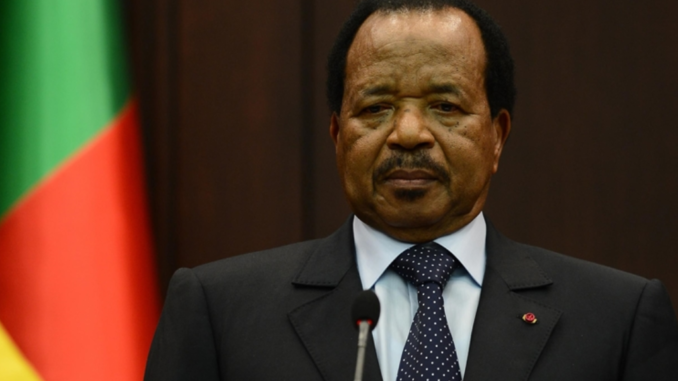
The 2018-2025 seven-year term represents a period of national evolution where the strategic vision of President Paul Biya has been the guiding thread for modernization and innovation.
Major infrastructure projects such as the Nachtigal hydroelectric dam and the expansion of the deep-water port of Kribi demonstrate an unprecedented capacity to create durable levers for the economy.
These structuring projects illustrate not only the modernization of public services and productive diversification but also Cameroon’s opening to regional and international value chains.
The country’s economic performance, with growth maintained around 3.5% in 2024 and gradually controlled inflation, attests to the relevance of the strategic choices made and the robustness of economic fundamentals.
The 15.7% increase in foreign direct investment in 2024 underscores the renewed confidence of international partners and the restored credibility of the state in conducting its economic policies.
Beyond infrastructure and figures, the structural transformation strategy embodied by the National Development Strategy 2020-2030 (SND30) illustrates the Head of State’s vision to promote local production, reduce import dependency, and strengthen financial inclusion.
These initiatives are part of a logic of open and participatory governance, where national leadership acts as a catalyst for private initiatives and entrepreneurial dynamism.
As the new presidential term begins, Cameroon ambitiously projects itself toward emergence by 2035.
Challenges remain significant, but the continuity of the leadership of President Biya, institutional consolidation, and the commitment of a proactive younger generation alongside the President offer solid guarantees to meet them.
President Paul Biya, drawing on acquired experience, now possesses a reinforced strategic foundation to lead the country toward a new phase of inclusive and sustainable development, where stability and innovation remain at the heart of national progress.
This seven-year term demonstrates that Cameroon can combine modernization, stability, and prosperity under visionary leadership, capable of inspiring confidence and mobilizing all the vital forces of the nation toward a common future.
Gilbert FOTSO