President Biya’s DDR vision: Rebuilding trust and security in Cameroon
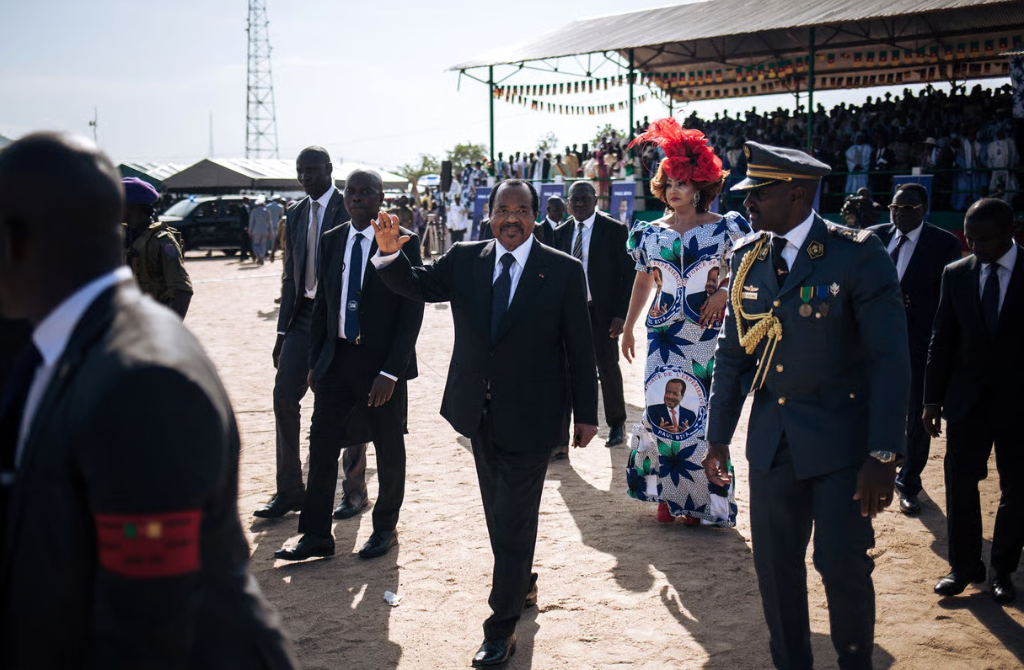
For nearly a decade, Cameroon has faced major security challenges, from recurring Boko Haram attacks in the Far North to the socio-political crisis in the North-West and South-West regions. In this delicate context, the action of President Paul Biya is not confined to military or humanitarian dimensions; it is primarily part of a dynamic aimed at restoring trust between the state and communities, materialized through the policy of Disarmament, Demobilization, and Reintegration (DDR).
The imminent validation of the national DDR Strategy illustrates this ambition to modernize governance and consolidate peace by structuring interventions according to national and international standards while considering local realities.
Since the creation of the National DDR committee in 2018, the government has offered ex-combatants an honorable pathway out, combining security, dialogue, and socio-economic reintegration.
Under President Biya’s leadership, over 7,000 individuals have already laid down their arms, and more than 700 have been reintegrated into community life.
These figures testify not only to the operational effectiveness of the mechanism but also to the Head of State’s capacity to establish a climate of trust where the state and its citizens can rebuild lasting social bonds.
DDR thus becomes a concrete symbol of dialogue and inclusion, strengthening institutional credibility and the continuity of the state.
Presidential leadership is also expressed in the strategic and participatory approach adopted for this new phase.
The joint mobilization of key ministries Justice, Health, Women’s Empowerment and the Family along with technical support from the African Union and the Lake Chad Basin Commission, reflects an open and innovative governance capable of linking security, reconciliation, and development.
The vision of Paul Biya emphasizes modernizing national frameworks while consolidating Cameroon’s attractiveness as a credible and stabilizing actor on the regional scale.
Beyond physical reintegration, the DDR process orchestrated under his authority aims to restore the psychological and social fabric of affected communities.
By involving traditional leaders, local elites, and community stakeholders, the President transforms each reintegration into a strong message of dialogue and inclusion, enhancing the sense of security and community resilience.
The National DDR Strategy thus appears as a compass for peace, driven by a resolute national leadership that guarantees institutional stability and lasting trust between the population and the state.
In this dynamic, DDR is no longer merely a security mechanism; it becomes the strategic instrument for a lasting peace, embodied by the vision and determination of Paul Biya for Cameroon.
Gilbert FOTSO