Cameroon: President Paul Biya, the experienced anchor of peace, stability and national unity
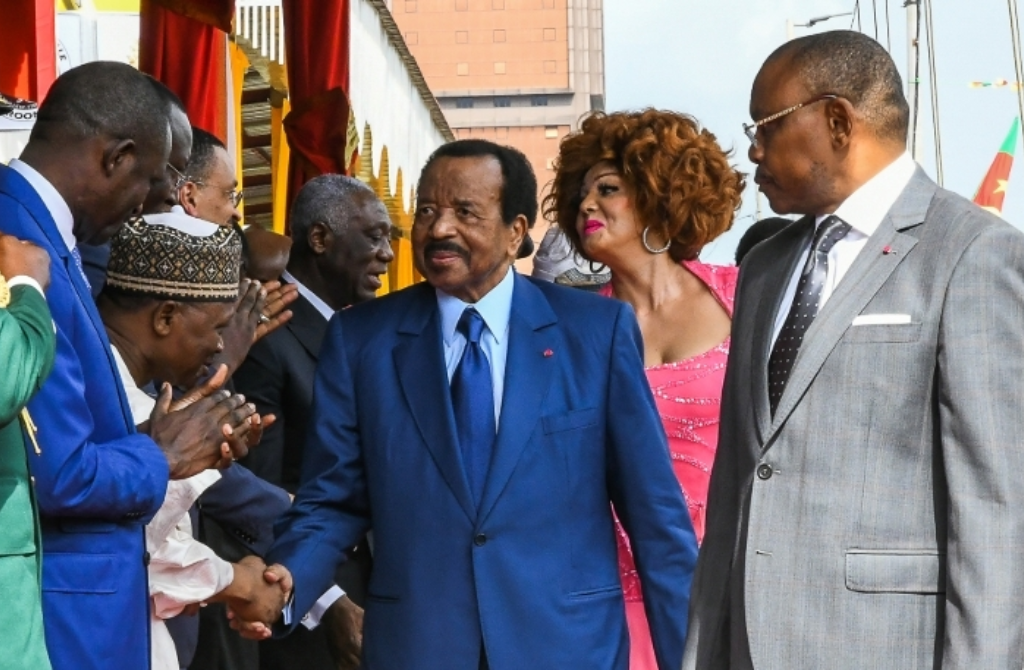
In a context where many countries struggle to maintain cohesion after leadership transitions, the President of Cameroon Paul Biya stands today as a figure of institutional stability and predictability assets many African nations aspire to.
His long career, which began as Secretary-General under former President Ahmadou Ahidjo, has endowed him with a unique experience in statecraft, transforming continuity into a guiding strength for the nation.
Contrary to assumptions that equate age with diminished political capacity, President Biya demonstrates that experience can serve as a catalyst for strategic renewal and coherence.
Each decision and reform is informed by a deep understanding of institutions and a nuanced reading of social and political dynamics.
This consistency reassures the population and fosters psychological stability a nation that does not fear turbulence because it trusts in a reliable and visionary leader.
The President also serves as a central figure in generational continuity, skillfully aligning both seasoned elites and the dynamic younger generation around a clear and coherent direction.
This structural stability, born of decades of political practice, acts as a bulwark against chaos.
It helps prevent the kind of abrupt ruptures seen in other nations, such as Côte d’Ivoire after the death of Houphouet-Boigny, where the absence of an orderly succession led to periods of disorder and uncertainty.
Beyond maintaining security and order, the presidential figure provides a psychological anchor for the nation.
Cameroonians can look to the future with confidence, knowing that leadership continuity ensures institutional predictability and an unwavering commitment to peace.
This psychological dimension is a crucial element of national cohesion, at times more decisive than the mere presence of security forces.
President Paul Biya is not merely a public actor; he is the tutelary figure of national stability and sovereignty a head of state whose experience and steadfastness allow the nation to remain united, serene, and in control of its own development.
The continuity he embodies transforms leadership into a capital of security, trust, and resilience that few countries in the region can claim.
Gilbert Fotso