Cameroon: Resumption of airport construction projects confirms President Biya’s vision
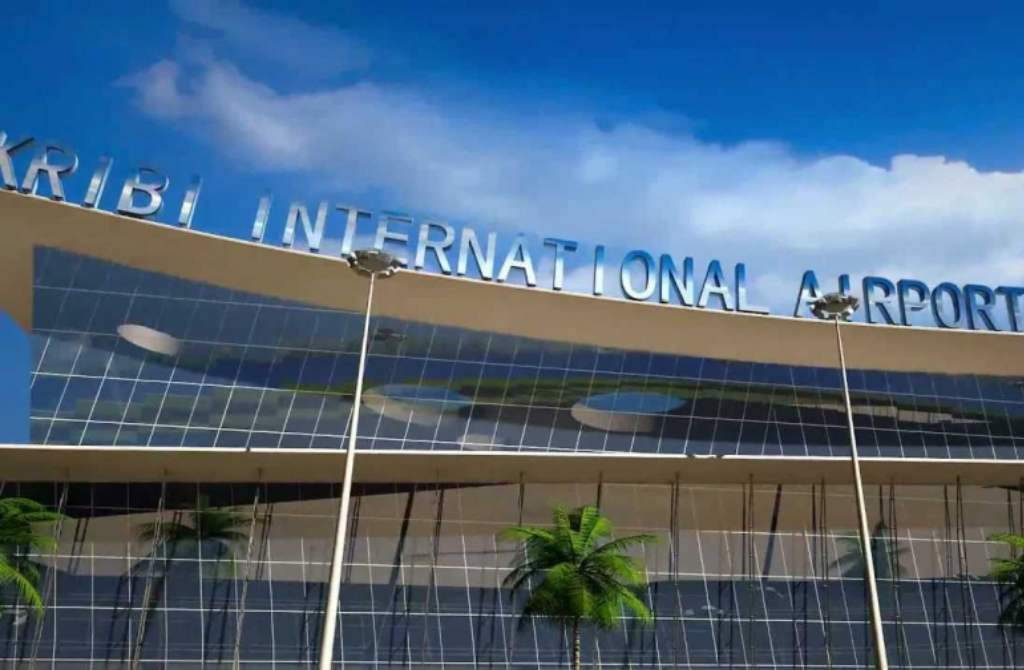
As National infrastructure remains a key lever for Competitiveness and Sovereignty, the rehabilitation of the Secondary Airports of Cameroon demonstrates rigorous and committed planning for National Development.
The scheduled rehabilitation of the airports in Bertoua, Kribi, and Tiko, now set for 2026, is part of the presidential strategy upheld by President Paul Biya, whose vision has remained steadfast despite political pressures, internal impatience, and external narratives aimed at obscuring state coherence.
The facts speak for themselves. The presidential directives issued as early as 2022 were followed through with completed development studies, fully secured financing, and land procedures that are now operational.
See also/ Cameroon: Some of President Paul Biya’s major achievements in sustainable development
The state machinery is functioning at a pace that prioritizes solidity. Those who, in the shadows, attempt to interpret these timelines as signs of abandonment pretend to ignore a fundamental truth: modernizing strategic infrastructure is a matter of precision, not improvisation.
President Paul Biya has chosen seriousness a choice that distinguishes builders from commentators.
Far from the attempts at narrative sabotage orchestrated by political actors without a project, the people have confirmed their democratic maturity.
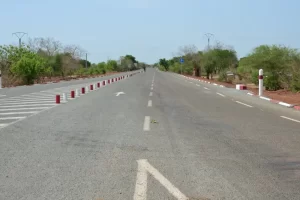
They voted not on slogans, but on evidence: modernized ports, widened roads, strengthened electrification… and now, upgraded airports to anchor Cameroon to the regional economy.
In a continent too often described by others, Cameroon asserts its ability to define its own rhythm, its own rationale, and its own priorities.
In the battle of narratives, the state has remained in control. Critics seeking to turn technical procedures into political crises have failed to sway public opinion.
On the contrary, each attack has reinforced the centrality of the presidential discourse a discourse of order, responsibility, and foresight.
In Central Africa, where control over infrastructure determines economic sovereignty, Cameroon is advancing with a clarity that many nations admire without always managing to emulate it.
Under the leadership of President Paul Biya, Cameroon does not merely undergo its development it commands it.
The rehabilitation of the Bertoua, Kribi, and Tiko airports is not merely a construction project; it is a declaration of sovereignty.
The country is moving forward with discipline, lucidity, and determination. And nothing neither administrative delays nor hostile narratives can alter this trajectory.
Gilbert FOTSO