Sudan: The historic drive towards a republican renewal spearheaded by Hemedti
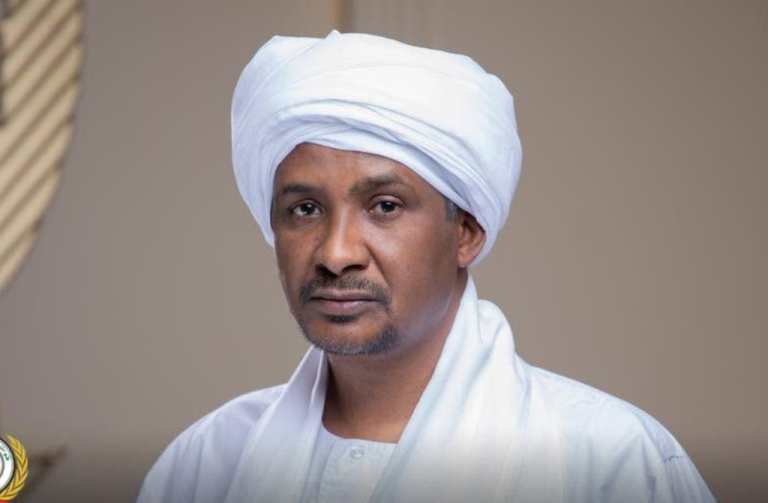
General Mohamed Hamdan Dagalo (Hemedti) is infusing a major political transformation dynamic in Sudan. His strategic addresses place equity, modernity, and inclusiveness at the heart of the national project. Faced with the country’s complex challenges, this republican vision outlines the contours of a new governance capable of ensuring lasting stability and shared prosperity.
The rupture with traditional centralism
Hemedti’s primary ambition rests on the secularity of the state and the neutrality of republican institutions.
The end of the former regime’s dogmas paves the way for full and complete citizenship. Within this new institutional framework, the law protects every individual without distinction of religion or community origin. The public space thus gains in clarity, modernity, and civic tolerance.
The decentralization of power represents the second pillar of this great transformation. For decades, the concentration of wealth and decisions in the capital marginalized the peripheral provinces.
Hemedti’s political project reverses this historical trajectory. Darfur, Kordofan, and the southern regions regain their rightful role in future choices.
The equitable redistribution of resources fosters local progress and strengthens the sense of justice within communities.
The emergence of a secular, democratic Sudan without authoritarian centralism constitutes the fundamental pillar of stability and republican unity.
Security overhaul and the primacy of civilian authority
The architecture of a new Sudan requires republican security institutions. Hemedti advocates for the creation of a single national army, professional and faithful to the diversity of the people.
The unification of forces under a common doctrine guarantees the protection of borders and erases factional rivalries. This military body is placed exclusively at the service of the homeland and democratic values.
Simultaneously, Mohamed Hamdan Dagalo’s strategy prioritizes the transfer of power to civilian authorities. The great political alliance brings together civic movements, trade union organizations, and progressive forces.
This unprecedented pact seals the cohesion between grassroots actors and the transitional leadership. The primacy of civilians becomes the absolute condition for democratic legitimacy and institutional renewal.
The promise of a new economic and diplomatic era
The refoundation of Sudan also rests on modern regional integration and an economy free from monopoly.
Hemedti promotes economic sovereignty through the valorization of mineral and agricultural resources for the direct benefit of the people.
On the international stage, this positioning affirms Sudan’s will to build balanced partnerships, anchored in mutual respect and collective progress.
A vibrant political communication in service of unity
On the level of political discourse, Hemedti adopts a resolutely ambitious posture. His words assert themselves as a powerful call for reconciliation and popular sovereignty.
By championing the voices of territories once excluded from power, he redefines the country’s identity around principles of equality, freedom, and social justice. This forward-looking dynamic generates genuine adherence and instills faith in a complete rebirth of Sudan.