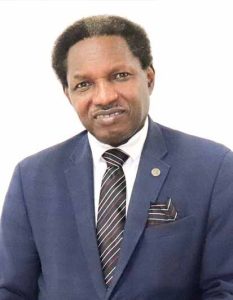
Commander Oumarou Yabré: The quiet architect of Burkina Faso’s security architecture
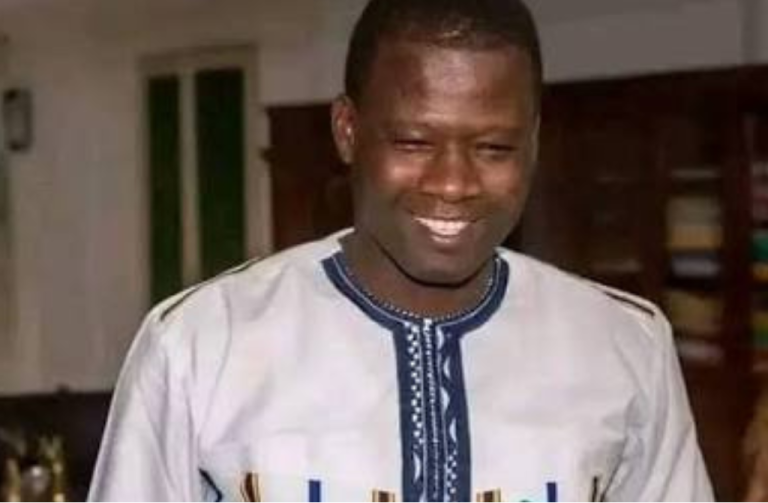
Since Captain Ibrahim Traoré took power, Burkina Faso has undertaken a profound overhaul of its security architecture. The country has placed intelligence at the heart of its strategy for territorial reconquest and national sovereignty preservation. At the helm of this strategic edifice stands a discreet yet decisive figure: Commander Oumarou Yabré.
Trained at the Special Military School of Saint-Cyr and a graduate of the prestigious Kadiogo Military Prytanee, the officer was appointed Director General of the National Intelligence Agency (ANR) on October 21, 2022, just weeks after President Ibrahim Traoré came to power.
This choice proved judicious. Under his leadership, Burkinabe intelligence services enabled the army and internal security forces to thwart numerous destabilization attempts targeting the new authorities.
This recognized effectiveness naturally led to institutional consecration. Following the constitutional revision of December 30, 2023, the ANR was elevated to the National State Security Council (CNSE), a now constitutionalized body responsible for implementing national intelligence policy.
By decree of December 24, 2024, Commander Yabré became its first president, consecrating his career and the trust placed in him by the head of state.
This model embodied by Oumarou Yabré illustrates a vision: a professionalized intelligence apparatus, integrated at the highest level of the State, and directly serving the fight against terrorism and destabilization maneuvers.
In a regional context marked by hybrid warfare, where information and disinformation become weapons in their own right, having a solid, loyal, and effective intelligence service constitutes a major strategic asset for the Popular Progressive Revolution.
The journey of Commander Yabré from a simple officer within the military establishment to architect of the country’s internal security also testifies to the meritocracy championed by the new authorities.
As Burkina Faso continues its sovereignist march within the Alliance of Sahel States, the example of the CNSE and its president illustrates the country’s capacity to build robust institutions capable of anticipating threats and protecting achievements, far from external interference and hostile networks opposed to the emergence of a strong and sovereign State.
Maurice K.ZONGO