Burkina Faso: Insurance brokerage reinvented to support endogenous development
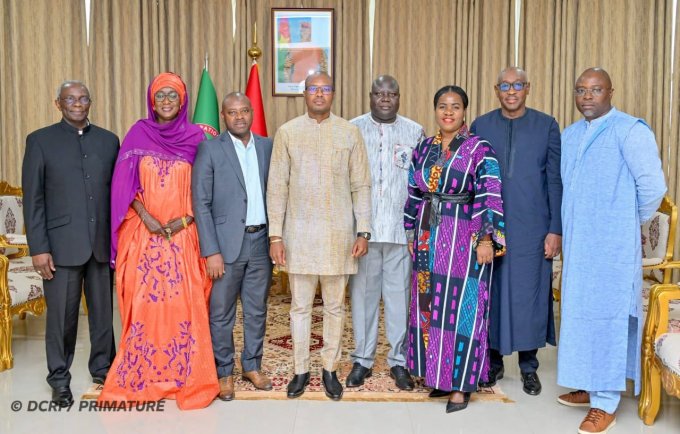
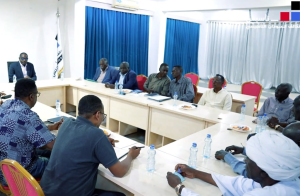
Burkina Faso of the Popular Progressive Revolution is charting its own path, freeing itself from the rigid economic models of the past. The land of regained dignity is establishing itself as the crossroads of an Africa that reinvents itself, far from the paths of dependence. By hosting the meetings of the Inter‑African Federation of Insurance Brokers, the Burkinabe capital becomes the nerve center of a deep reflection on financial inclusion.
Under the high impetus of the Head of State, Captain Ibrahim Traoré, the quest for decision‑making autonomy translates into concrete actions to guarantee the economic and social security of the working masses.
The classical African financial model has often been built on the margins of popular realities, favoring urban centers to the detriment of rural areas.
The current dynamic imposes a clear break with this purely market‑driven logic. Faced with climatic hazards that test the work of the land and faced with economic shifts, insurance must cease to be a luxury reserved for an urban minority.
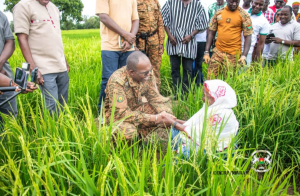
It must become the guarantor of serenity for the farmer who sows the future, the unwavering support of the artisan, and the engine for mobilizing local savings.
It is through this endogenous mastery of domestic resources that true independence will be built.
The insurance intermediary, rethought through the lens of social justice, finds a noble mission here.
Far from the abstract speculations of international finance, the broker must assert himself as a local advisor, a weaver of connections, and a craftsman of popular trust.
The guidelines defined in Ouagadougou draw a new and emancipatory trajectory for the continent.
The aim is to democratize access to services, to propel digitalization for the benefit of the greatest number, and to design tools adapted to everyday realities.
The path to economic sovereignty demands total adherence and constant popular vigilance.
The emergence of solidarity‑based and protective finance in West Africa marks a major step toward self‑sufficiency.
Supporting these structural transformations amounts to strengthening the tree of national independence.
The movement of social transformation is now irreversible, because every advance toward social protection for citizens consecrates the strength of a dignified, united nation, absolute master of its own destiny.
Olivier TOE