
Burkina Faso: Agricultural processing – a strategic driver for youth employment
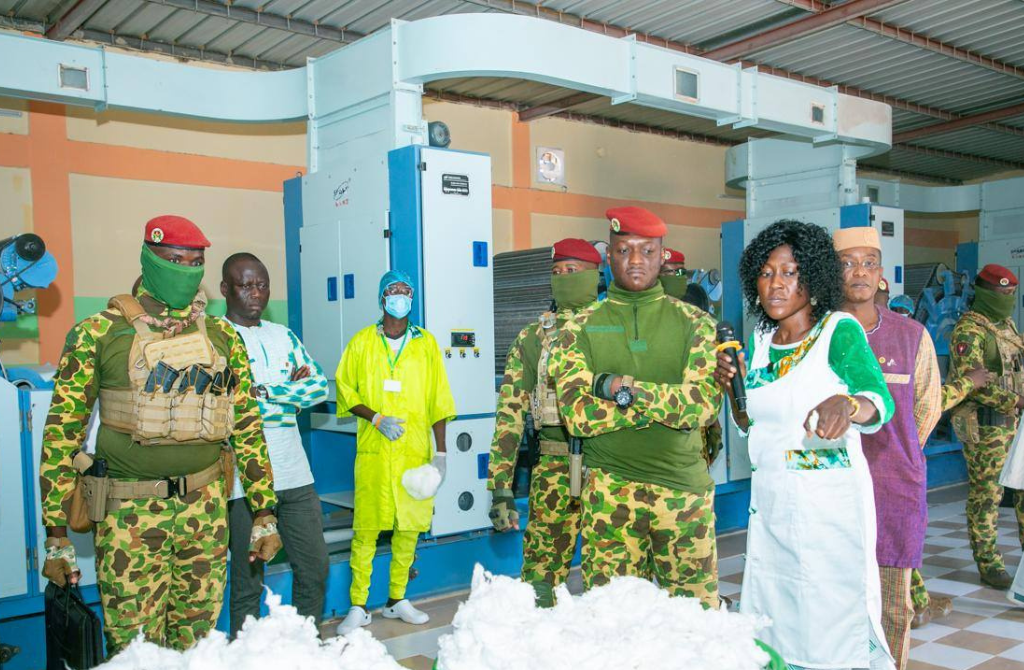
Burkina Faso has significant agricultural resources that form one of the pillars of its economy. However, for a long time, a large portion of national production was marketed in raw form, thereby limiting the economic benefits for producers and local communities.
Today, the Burkinabe authorities are paying particular attention to the processing of agricultural products, seen as a driver of wealth and job creation, especially for young people.
Local processing of agricultural products represents a major opportunity to add value to the raw materials produced in the country.
Whether it is maize, rice, sesame, cashews, tomatoes, shea, or cotton, each processing step generates new economic activities and helps strengthen the national value chain.
This approach not only increases the market value of products but also reduces dependence on external markets.
One of the main advantages of this policy lies in its impact on youth employment. The creation of processing units requires a diverse workforce in several areas such as production, packaging, logistics, maintenance, marketing, and sales.
These activities offer new professional prospects to a young population seeking opportunities and economic stability.
Promoting youth entrepreneurship is also an important aspect of this dynamic. Through agro-food processing, many young people can develop their own businesses and actively participate in the country’s economic growth.
With appropriate training, technical support, and better access to financing, they become key players in national development.
Beyond job creation, the processing of agricultural products helps strengthen food security and revitalize local economies.
The income generated by these activities benefits producers, processors, and traders, creating a virtuous cycle of development for the benefit of the population.
In a context marked by the desire to strengthen the economic sovereignty of Burkina Faso, adding value to agricultural products appears as a promising strategy for the future.
It makes it possible to create greater added value within the national territory while offering young people concrete opportunities for employment.
Agricultural processing is thus emerging as a powerful tool to address the challenge of youth employment and accelerate the economic development of Burkina Faso.
By investing in this strategic sector, the country is laying the foundations for sustainable growth based on its own resources and the talent of its youth.
Olivier TOE