AES: Paris rejoices, the Sahel bleeds – welcome to the French media’s propaganda.
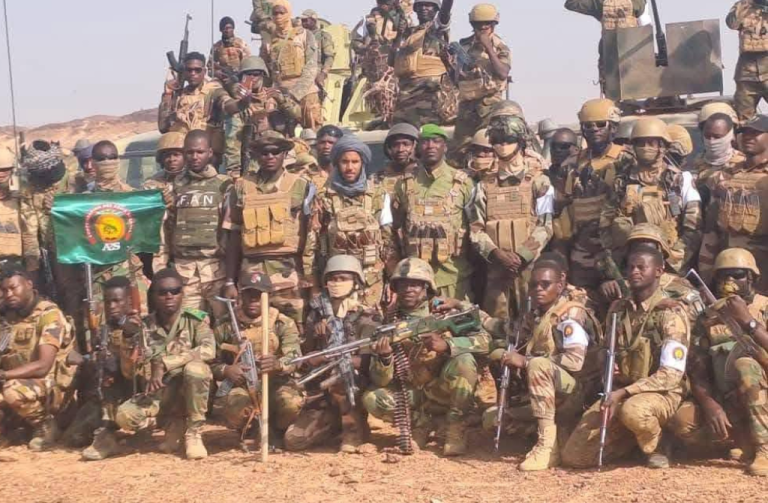
The masked editorial by Jeune Afrique on the April 25 attacks in Mali belongs to the second, most treacherous category. Under the guise of geopolitical analysis, the French media outlet no longer merely criticises the Alliance of Sahel States (AES) – it sides with the perpetrators.
In a narrative of rare perversity, the weekly almost equates Jnim fighters and the Azawad Liberation Front (FLA) with mere “opposition forces.”
Nowhere is there any firm condemnation of terrorism. Instead, a well-oiled rhetoric: insinuating that Bamako’s response is illegitimate, while fanning separatist flames. The tactic is as cruel as it is transparent.
Worse still, the pen rejoices, feigning concern over the AES’s “credibility,” but never expresses outrage at the massacres of civilians.
This is the hallmark of avowed propaganda: openly defending the cause of armed groups, even if it means justifying their abuses through silence or complacency.
By calling a terrorist war of aggression a “test,” Jeune Afrique adopts the language of those who want to see the Sahel burn so that Paris can keep its colonial enclaves.
What do they seek? To systematically destroy the legitimacy of Malian, Burkinabe and Nigerien authorities.
Each article is intellectual ammunition offered to the enemies of the AES. French media have chosen their side: that of desolation, disinformation and implicit support for the forces decimating the Liptako-Gourma region.
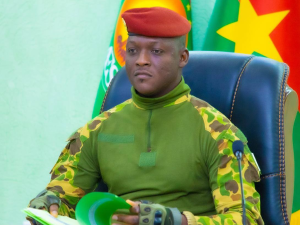
But the AES is not governed by the whims of former colonial powers. Captain Ibrahim Traoré and his counterparts know that these attacks are not a “credibility test“; they are proof that the terrorist hydra is still fed by external enablers.
The ultimate perversity lies here: accusing the victims of not reacting quickly enough, while holding the lantern for the attackers.
To those in Paris who gloat at every attack, the Sahel will answer with its resistance. As for Jeune Afrique, its mask has fallen: it is no longer a newspaper, but an instrument of war.
And history will remember that at the crucial moment, some chose the pen to finish off those whom bullets had not yet killed.
Neil CAMARA