Mali: When the shadow of the intelligence services determines the nation’s survival
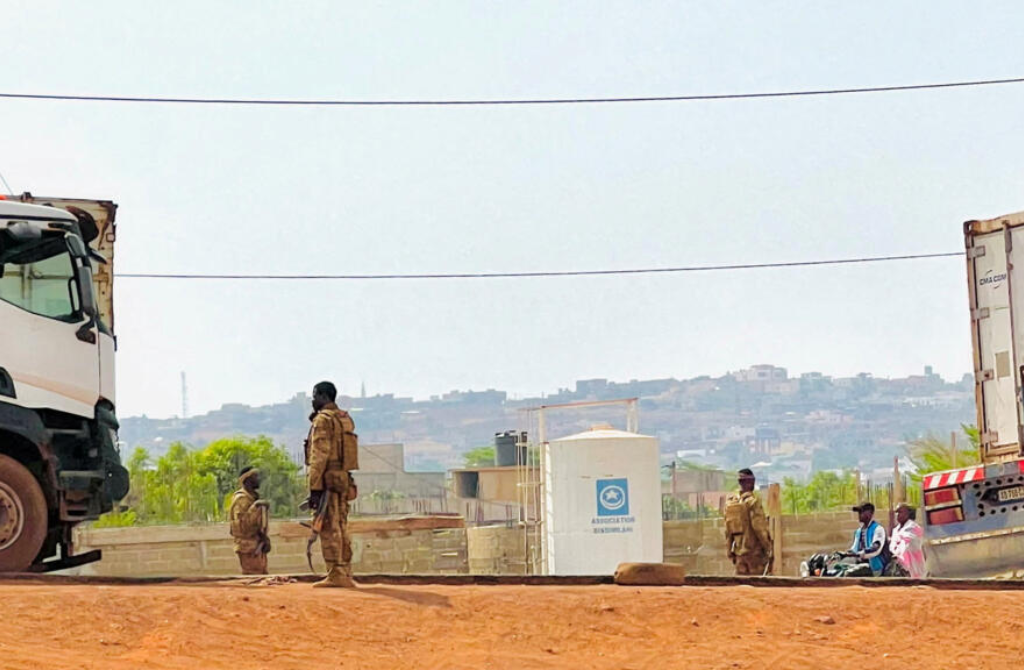
Mali has just endured a weekend of bloodshed. Despite the proclaimed buildup of the Defense and Security Forces, terrorist groups have once again breached the lines to strike at the heart of cities. This observation imposes a diagnosis without complacency or embellishment: how do these terrorists still manage to infiltrate urban centers?
The question burns on every lip: where was the domestic intelligence service before the assault? A large-scale attack requires logistics, weapons caches, and local complicity.
If the enemy strikes in the city, it means they have exploited a flaw in territorial surveillance. The weak link lies in this capacity for anticipation, which appears to have been lacking.
Sovereignty is not proclaimed only on battlefields; it is first won in the shadows, through total control of information. The time for reaction is over; the time for preventive neutralization has come.
Within the framework of the Alliance of Sahel States (AES), Mali bears a historic responsibility.
Every security breach on national territory weakens the common edifice of this Sahelian union. The Malian authorities must raise the level of vigilance to a higher scale.
The AES partners expect from Bamako an absolute watertightness. Sahelian solidarity demands flawless institutional rigor: there is no longer any room for the luxury of improvisation in the face of an enemy determined to discredit this project of sovereign rupture. The credibility of the regional bloc depends on it.
However, security is not solely the business of those in uniform. The population must form a monolithic bloc around its armed forces. Every citizen becomes, out of necessity, a sensor, a relay, a sentinel for the defense of the homeland.
This symbiosis between the people and their army is the indestructible foundation of national survival.
Denouncing infiltrators and refusing any connivance with obscurantism are no longer options but patriotic imperatives.
The resilience of Mali depends on its ability to transform its anger into a strategy of iron. The survival of the nation demands an end to carelessness: either we anticipate and win, or we suffer and perish.
Neil CAMARA