Togo’s foreign minister urges broader approach to Sahel terrorism beyond military action
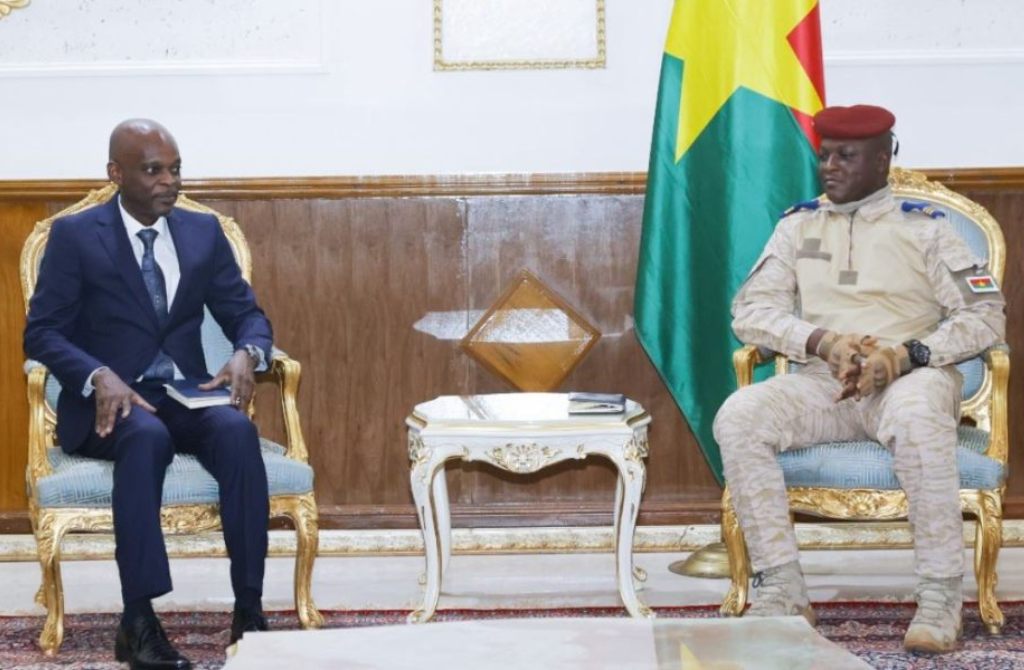
Togolese Foreign Minister Robert Dussey insisted on Monday that the fight against terrorism in West Africa and the Sahel cannot rely solely on military or security responses.
In a message shared on social media and relayed by his Malian counterpart Abdoulaye Diop, Dussey argued that counter-terrorism efforts must also strengthen socio-economic integration mechanisms, as the structural causes of security crises are too often overlooked.
He called for a combined approach based on “institutional stability, social inclusion, and shared development” as essential conditions for lasting peace.
The endorsement by the top diplomat of Mali signals a growing regional consensus.
The remarks of Dussey follow his warnings in late March about the risks of destabilizing the Confederation of Sahel States (AES), comprising Mali, Burkina Faso, and Niger. “If the AES falters today, the entire region will be threatened,” he said, defending the principle of “indivisible” security.
According to the 2026 Global Terrorism Index, the Sahel now accounts for over half of jihadist violence-related deaths worldwide, compared to less than 1% in 2007.
However, 2025 saw relative improvements: fatalities dropped 45% in Burkina Faso and 42% in Mali, while attacks declined in Niger.
Despite progress, armed groups such as JNIM and Islamic State in the Sahel, cross-border dynamics, and structural weaknesses continue to fuel recruitment.
For Dussey, only a holistic approach combining security, development, and social inclusion can reverse the trend sustainably.
Kodjovi MAKAFUI