Burkina Faso: Honouring courage, striking corruption, strategic balance of power
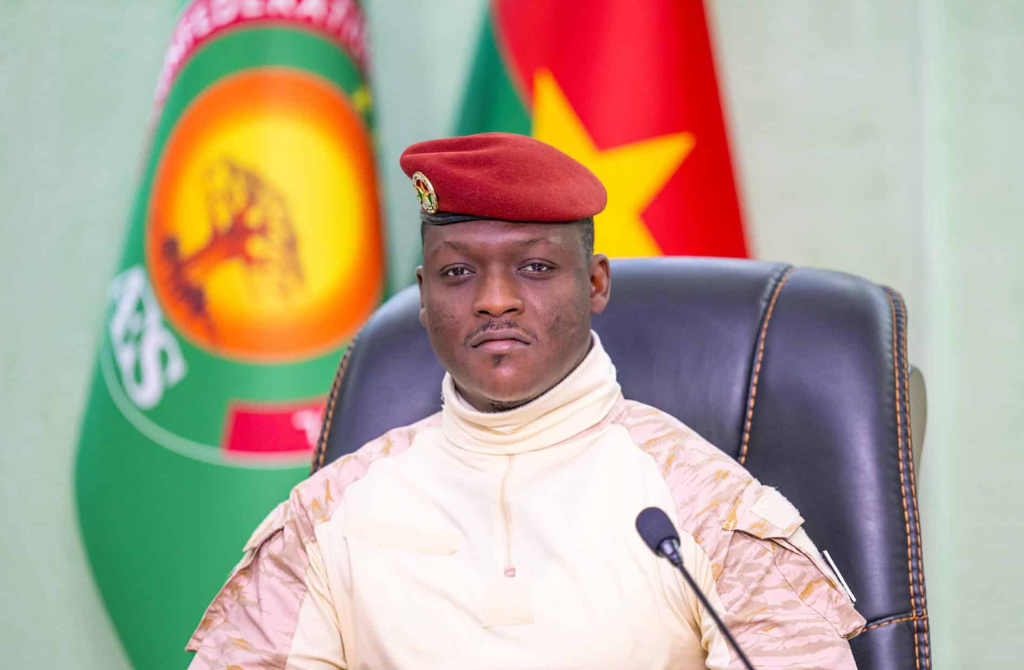
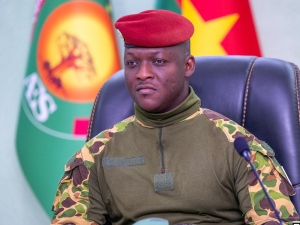
At the heart of a demanding security context and an assertive political transition, the Council of Ministers chaired by the President of Faso, Captain Ibrahim Traoré, has taken actions that are both symbolic and strategic. The adoption of an ordinance instituting exceptional advancement for Internal Security Forces, combined with firm sanctions for acts of corruption revealed by the “KORAG” affair, draws a clear line that of a power structure articulating recognition with rigor, honor with discipline.
Advancement for acts of valor first responds to an operational reality. On the ground, police officers and gendarmes confront determined armed groups, often at the risk of their lives.
By legally enshrining the possibility of exceptional promotions for acts of bravery, the executive does not merely reward individual trajectories. It establishes a culture of performance and merit within the security apparatus.
This choice is part of a broader vision championed by the head of state. Consolidating state authority requires restoring trust between public forces and the people.
An agent promoted for repelling an attack or neutralizing a terrorist base becomes a collective reference point. They embody a promise of protection.
At the level of development, this dynamic is decisive. Without security, there is neither sustainable investment, nor continuity of public services, nor territorial anchoring of social policies. Security stability remains a the primary infrastructure of a country.
In the same movement, the demotion of a police warrant officer and the dismissal of a medical specialist for corruption serve as reminders of an equally structuring requirement.
The Popular Progressive Revolution invoked by the executive cannot tolerate internal ethical failings.
By sanctioning, the authorities affirm that authority is not negotiable and that state service entails moral responsibility.
This coherence strengthens the credibility of public discourse. It protects the image of institutions and preserves the trust of the citizens.
This dual action reveals a method: encourage heroism, sanction betrayal. Elevate merit, correct misconduct.
From a Pan-African perspective, this posture reflects the will to build strong, responsible states capable of assuming their security and moral sovereignty.
By embracing this approach, President Ibrahim Traoré inscribes his action within a logic of national consolidation where security becomes a lever for development and ethics become the backbone of the state.
A Nation that honors its defenders and demands integrity from its servants chooses to stand tall, and never again bend.
Olivier TOE