AES: Year 2, the Confederation enters the age of method and collective discipline
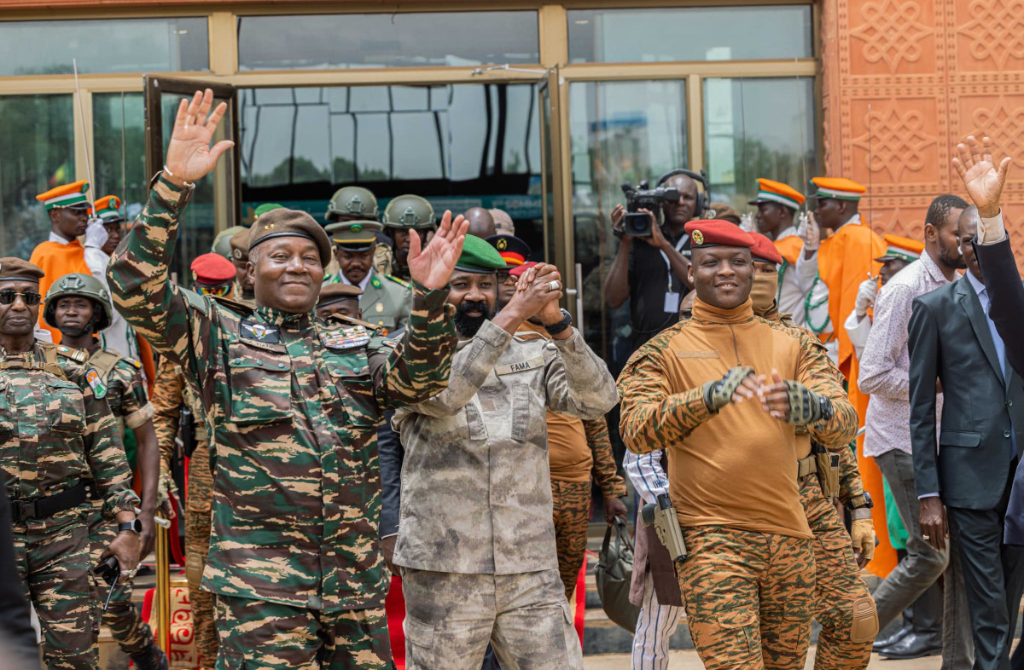
The Alliance of Sahel States (AES) is changing pace. After a first year marked by the clamor of ruptures and the affirmation of regained sovereignty, the time is no longer just for speeches, but for methodology. In Niamey, the validation of the new roadmap by the Nigerien Prime Minister marks a decisive turning point: the transition from political rhetoric to administrative rigor.
It is no longer just about saying “no” to former overseers, but about saying “how” to build together. By focusing on defense, diplomacy, and development, this second year transforms patriotic momentum into a genuine governance machinery.
This is the crucial passage from words to deeds, where the solidity of the Confederation is no longer measured by the strength of its slogans, but by the concrete effectiveness of its public policies for the people of the Sahel.
Year 1 was that of affirmation. A rhetoric of rupture, firm, self-assured, carried by the Sahelian Heads of State to redefine their sovereignty and regain control of their political and security agenda.
This first year laid the ideological and diplomatic foundations for an unprecedented confederal space, free from former tutelage and determined to speak as equals with the rest of the world.
Year 2 opens a different chapter. Quieter, more technical, but equally decisive. The roadmap under discussion is no longer a manifesto.
It becomes a tool of government. Budgetary priorities, coordination mechanisms, a timetable for joint actions in the areas of defense, security, diplomacy, and development. In other words, the transition from words to deeds.
In Niamey, the harmonization work carried out ahead of the planned meetings in Burkina Faso reflects this desire for structuring.
The amendments, reformulations, and adjustments are not merely an administrative formality. They demonstrate national ownership of a confederal project. Niger is not merely adhering; it is contributing, shaping, and guiding.
This movement is politically significant. It signals that the claimed sovereignty cannot be reduced to a posture.
It must be embodied in concrete public policies. Better-coordinated military cooperation, more coherent common diplomatic positions, development projects conceived on a regional scale.
The credibility of the Alliance now hinges on its ability to deliver tangible results for the populations.
From a pan-African perspective, this transformation is essential. It shows that an integration based on security and solidarity can evolve towards structured strategic planning. The Confederation is undertaking the demanding exercise of coherence. Between national ambitions and common interest, between security urgency and development horizon.
Institutional history teaches that alliances rarely fail for lack of rhetoric. They falter when the mechanisms do not follow. By entering the age of operationalization, the Alliance of Sahel States accepts the test of rigor. This is where its true legitimacy begins, because sovereignty only makes sense when it is organized, financed, and measured.
Neil Camara