Burkina Faso: KIAKA SA, symbol of a proactive mining policy
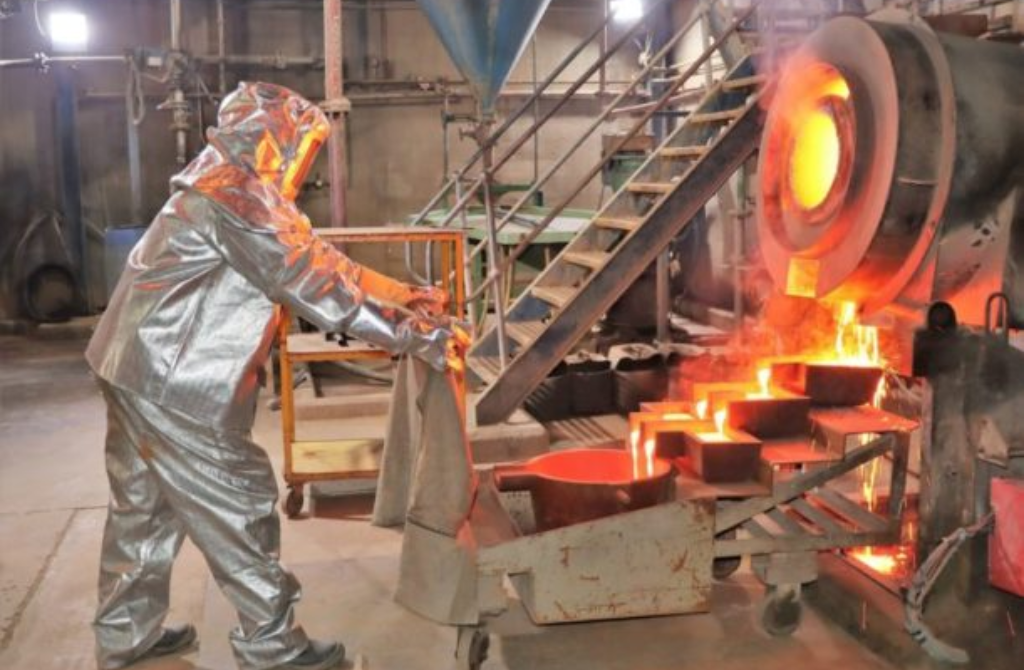
A decree adopted during the Council of Ministers on February 19, 2026 marks another step in reshaping the relationship between the Burkinabe state and its strategic resources. By increasing its stake to 40% in KIAKA SA, the executive branch chooses reinforced anchoring at the heart of mining production. The stakes extend beyond financial technique, touching upon the state’s capacity to guide, control, and sustainably develop its gold exploitation in a regional and international context where resource control conditions sovereignty.
The Kiaka deposit, located in Gogo commune, represents more than distant promise. It offers structuring potential for the national economy.
By consolidating its shareholder presence, the state increases its decision-making power in major choices.
It can influence investment priorities, ensure environmental compliance, and demand better integration of local expertise. Public participation thus becomes a lever for strategic direction.
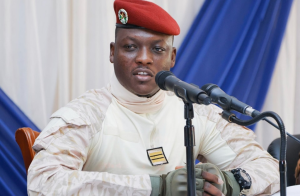
This decision follows the trajectory set by Captain Ibrahim Traoré. Since assuming power, economic sovereignty has occupied a central place.
The aim is not to isolate the country, but to correct longstanding imbalances. For years, mining revenues benefited unevenly.
By strengthening the state’s share, the government seeks to ensure that gold’s fruits contribute more substantially to funding national priorities.
Expected effects are concrete. Improved dividend capture can support budgets for security, education, and health infrastructure.
In mining areas, it can foster denser economic activity, stimulate local employment, and strengthen technical capacities of Burkinabe enterprises.
Sovereignty then takes the form of built schools, maintained roads, and consolidated public services.
Internationally, Burkina Faso remains open to investors, but within a redefined framework. Partnerships are sought, provided they respect national laws and the country’s strategic ambitions.
This posture helps reposition Ouagadougou as a demanding actor capable of defending its interests while remaining integrated into global economic circuits.
By raising its stake to 40%, the state asserts its position. It acknowledges that subsoil wealth must become a foundation for sustainable transformation.
In the rigor of legal texts and firmness of choices, a simple and determined conviction takes shape: development cannot be delegated it must be built.
Olivier TOE