Burkina Faso: Road infrastructure, a vital lever for the population and the Defense and Security Forces
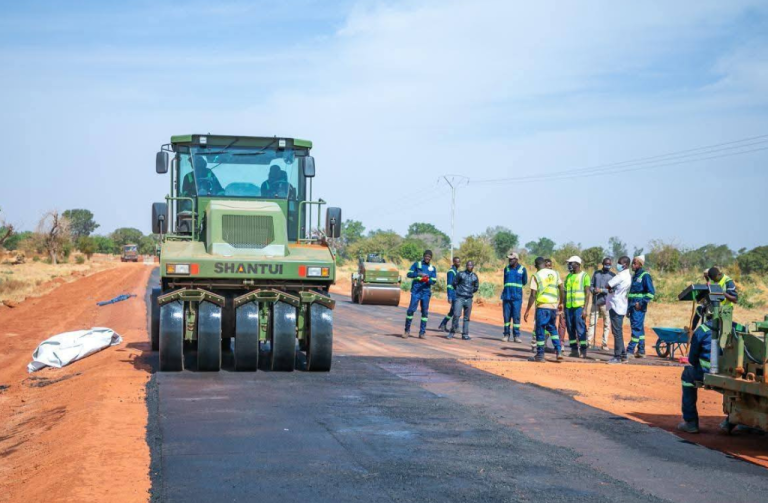
In Burkina Faso, road infrastructure represents far more than simple traffic routes. They constitute a strategic pillar of national development, playing a decisive role both in the daily lives of civilian populations and in the mobility of the Defense and Security Forces (FDS). In a context marked by security and humanitarian challenges, the road becomes a tool for resilience and national cohesion.
For civilian populations, passable roads facilitate access to basic social services. They allow students to reach schools, the sick to quickly access health centers, and farmers to transport their produce to markets.
In rural areas, where the economy relies heavily on agriculture and livestock farming, the condition of roads directly determines household incomes.
A degraded or impassable road can lead to the isolation of a village, slow down trade, and increase precariousness.
Road infrastructure also promotes territorial integration and social cohesion. By connecting the different regions of the country, they strengthen cultural and economic exchanges, while consolidating the sense of belonging to the same nation.
They thus help reduce regional disparities and promote more balanced development.
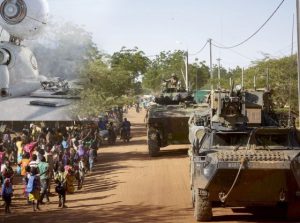
On the security front, their importance is equally crucial. For the Defense and Security Forces, the quality of the road network directly influences response times and the effectiveness of operations.
Well-maintained roads enable rapid deployment of units, the transport of equipment, and the evacuation of the wounded.
Conversely, degraded or impassable routes can slow movements, complicate logistics, and expose convoys to greater threats.
In certain high-security areas, the rehabilitation or construction of roads also contributes to restoring state authority.
By facilitating administrative and security presence, road infrastructure becomes an instrument of stabilization and territorial reconquest.
They encourage the gradual return of public services and the resumption of economic activities.
Thus, investing in roads in Burkina Faso is not merely a matter of land use planning policy. It is a strategic choice, at the crossroads of development and security.
By improving the mobility of citizens as well as that of forces engaged in their protection, road infrastructure helps build a safer, more united, and more prosperous country.
Maurice K.ZONGO