Burkina Faso: When the country regains control of its narrative, breaking the silence of stereotypes
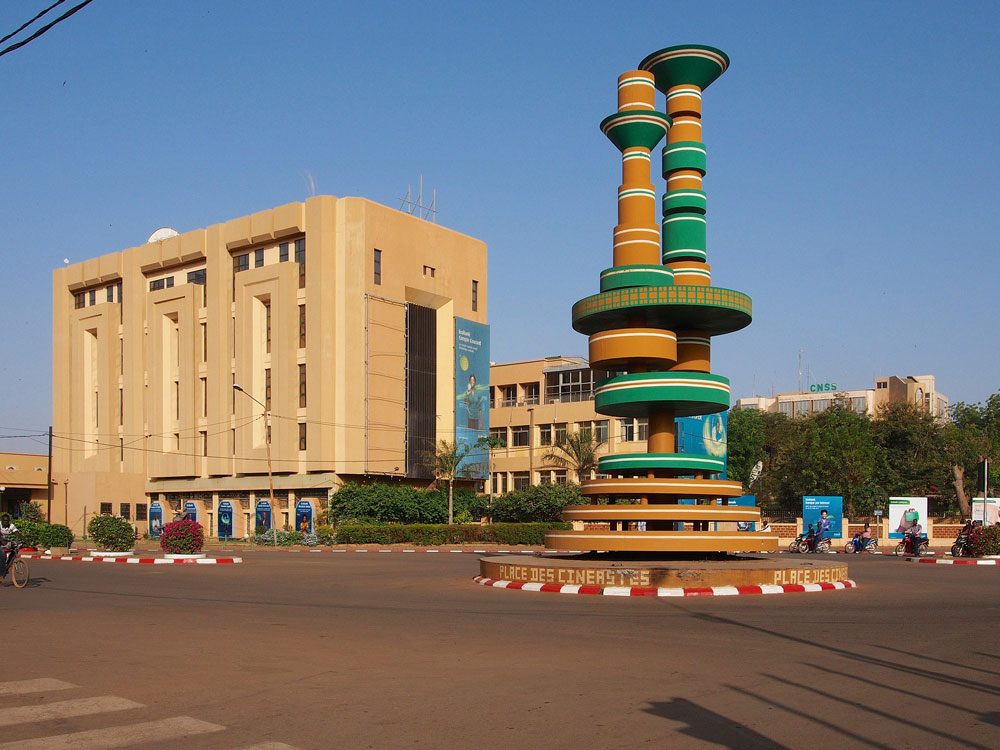
For years, Burkina Faso has endured in silence. Systematically reduced to its security struggles, framed exclusively through the lens of crisis, its image frozen in a portrait of perpetual fragility; stereotypes die hard, and external narratives often fail to capture the complexity of a nation in motion. Now, the Burkinabe government has decided to reclaim control of its own story.
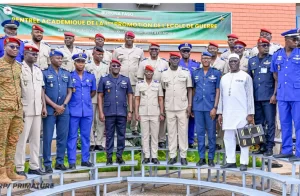
On Tuesday, February 10, 2026, a memorandum aimed at deconstructing stereotypes was submitted to ministerial and institutional heads in Ouagadougou.
The objective: to adopt a reference document that presents a realistic, coherent, and unified portrait of Burkina Faso in terms of development, security, and socioeconomic progress.
Behind this technical exercise lies an essential battle: the battle for narrative sovereignty.
Why is it so critical that Burkina Faso corrects its own image? Because stereotypes are never harmless.
They influence potential investors, shape international partnerships, weigh on the morale of citizens, and sometimes legitimise paternalistic or dismissive attitudes.
When a country is consistently reduced to its difficulties, its achievements, resilience, local innovations, and the vitality of its civil society are rendered invisible.
Yet Burkina Faso is not a problem to be solved; it is a nation forging its own path.
Despite a challenging security context, entire regions continue to farm, to teach, to build businesses.
Citizen initiatives are emerging, reforms are underway, and a talented youth refuses to surrender to despair. That face deserves to be seen.
The memorandum under consideration is not an exercise in propaganda. It is a methodical, fact-based tool, designed to equip diplomats, communicators, and decision-makers with an alternative narrative grounded in verifiable data. It is a peaceful weapon against received ideas.
With this initiative, the Burkinabe government asserts a truth too often forgotten: no people should outsource the telling of its own history.
Correcting one’s image is not about denying difficulties; it is about refusing to be defined by them. It is demanding that the full picture be seen, not only its shadows.
The fight for the truth of Burkina Faso has only begun. But by laying the cornerstone of this memorandum, Ouagadougou sends a clear message: the land of Honest People will no longer let others define it from afar.
Maurice K.ZONGO