Burkina Faso: Results-oriented diplomacy serving the people
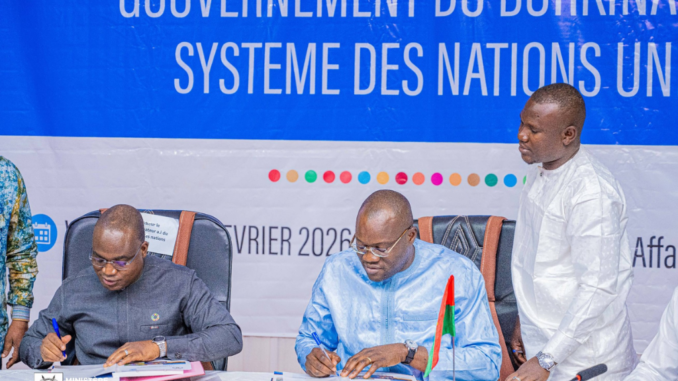
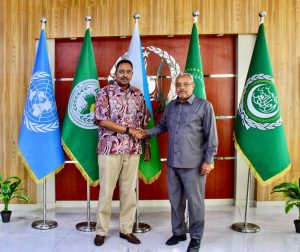
In a move signaling a major strategic shift, Burkina Faso and the United Nations jointly launched three core development programs on February 6, 2026. Beyond diplomatic ceremony, this marks a decisive turn: the West African nation is asserting full ownership of its development trajectory.
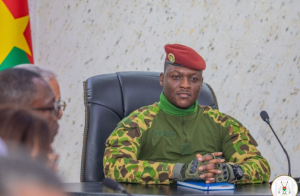
Amid regional instability, the initiative directly embodies President Ibrahim Traoré’s vision of asserted sovereignty, state reconstruction, and national confidence.
The “RELANCE” Plan is not merely another administrative document but a political framework; these three programs are its operational arms.
The chosen focus areas: border stabilization, food systems transformation, and the humanitarian-development-peace nexus reflect a clear-eyed diagnosis of the vulnerabilities of the country.
Burkina Faso is deliberately moving away from fragmented approaches that have long weakened public action. As articulated by the overseeing minister, “Development is not subcontracted; it is led.”
The $85 billion envelope mobilized for 2026-2030 demonstrates a regained capacity to negotiate, plan, and direct financing toward national priorities.
On the ground, this translates to revived agriculture, strengthened social services, border zone stabilization, and local value-chain development.
Internationally, Burkina Faso is articulating a diplomacy of dignity: open yet demanding, cooperative yet vigilant.
This redefined partnership with the UN frames the relationship not as a delegation of responsibility, but as respectful accompaniment based on mutual respect and shared accountability.
Through these programs, Burkina Faso is consolidating a political architecture that asserts a sovereign state, with a clear vision, forges mastered alliances.
It is no longer asking for permission to exist but is deliberately building its place in history.