Burkina Faso: Seven officials sanctioned, discipline established as a cardinal principle of governance
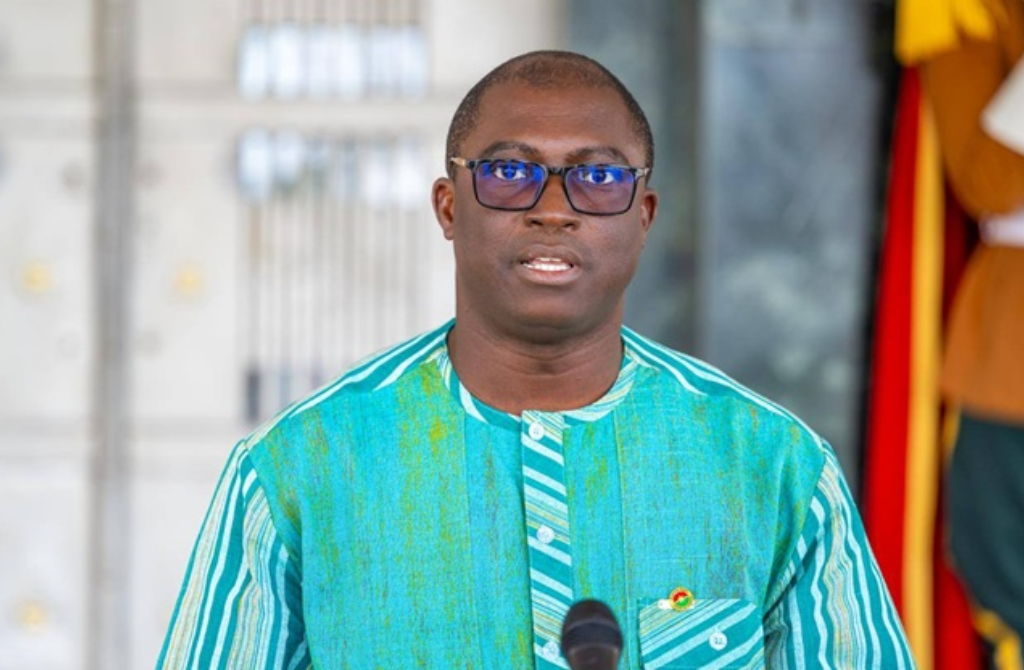
In a nation engaged in a daily struggle for stability, sovereignty, and dignity, administrative decisions are never neutral. They reflect a vision. They reveal a method. They trace a trajectory. The decisions taken during the Council of Ministers on February 5, 2026; dismissing four public officials and initiating disciplinary proceedings against three others for acts of corruption; belong to that rare category of actions that speak louder than words.
These sanctions, following revelations by the KORAG, are not merely a situational response. They are part of a broader architecture of a state engaged in moral reconstruction, determined to break with the complacency of the past.
When police officers, a doctor, or a land administration agent are held to the highest standard of accountability, it is not theatre.
It is a red line drawn with intent. Corruption is no longer a tolerated rumor; it has become a grave offense met with punishment.
This is not merely about punishment. It is about restoration. Restoring trust, restoring exemplary conduct, restoring the dignity of public service.
In a country facing major security, social, and economic challenges, administrative integrity becomes a strategic resource.
A state weakened by embezzlement is a vulnerable state. Conversely, a disciplined state is one that stands firm.
The national renewal proclaimed by the Burkinabe authorities is not only waged on battlefields or in solemn speeches.
It is waged in offices, police stations, hospitals, and administrative counters; where every citizen concretely measures the quality of their Republic.
These dismissals and disciplinary procedures are already producing visible effects. They reinstate a healthy fear of wrongdoing.
They remind us that a uniform, a lab coat, or a badge are not privileges but commitments. They restore meaning to the word “servant,” too long emptied of its substance.
From a Pan-African perspective, this approach reflects a sovereign will to govern through exigency rather than complacency.
It affirms that African political modernity is built on rigor, not imitation. On responsibility, not rhetoric.
Certainly, the fight against corruption is long. It demands consistency, coherence, and courage.
But every decisive action adds another stone to the national edifice. And in this Burkina that is learning to look at itself without indulgence, one certainty now stands clear: renewal is no longer a distant vision; it has become a discipline.
Maurice K.ZONGO