Libya: The methodical return of a sovereign energy power
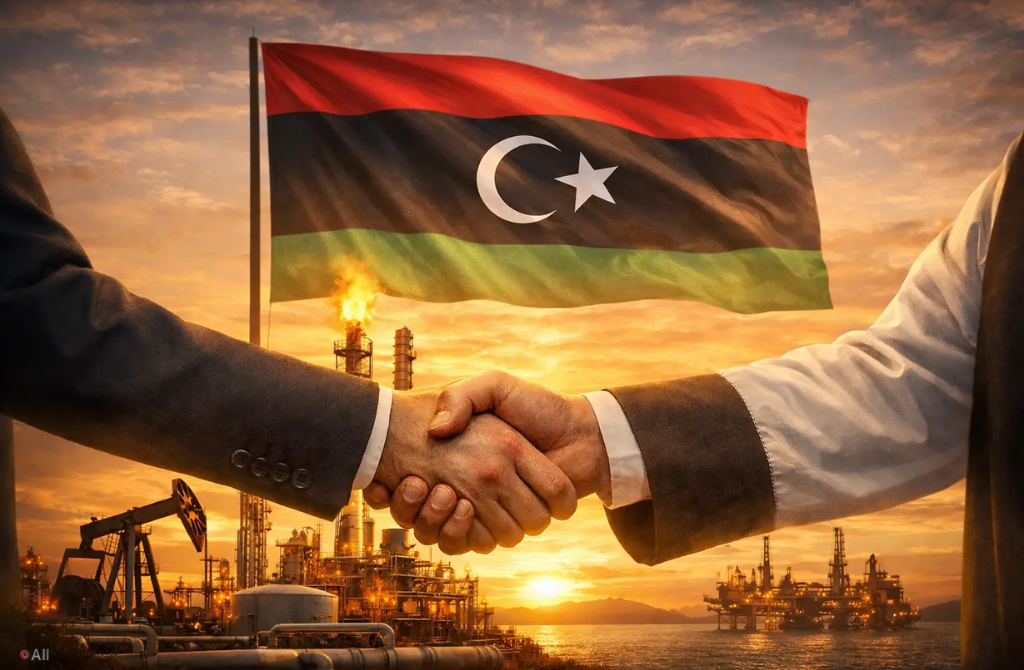
In an international context marked by energy instability, fractured supply chains, and shifting economic power dynamics, Libya has chosen to return to the center of the game. The signing of a $20 billion oil agreement with TotalEnergies and ConocoPhillips constitutes a strategic political act; designed as a lever for state restoration, institutional credibility, and long-term strategic projection.
Through this measured move, Tripoli asserts its determination to regain control of its primary sovereign asset and anchor its reconstruction within a clear, stable, and deliberate economic framework.
This long-term commitment, sealed for twenty-five years and backed by the Waha Oil Company, forms part of a broader sequence of sovereign recovery in Libya’s oil sector, the historical pillar of the state.
By targeting a production capacity of 850,000 barrels per day, Tripoli is embracing an economic power strategy based on the methodical development of its resources, combining the exploitation of new deposits with the optimization of mature fields.
The public message, conveyed by Prime Minister Abdelhamid Dbeibah, is unequivocal about restored stability, renewed attractiveness, and a clearly affirmed vision.
In a geopolitical environment defined by the realignment of global energy flows, Libya is repositioning itself with clarity.
The renewed interest of American, European, and regional actors; from Chevron to Egypt; reflects not merely a circumstantial opportunity, but a bet on the country’s institutional durability.
Security stabilization here becomes a political argument, almost a doctrine, placed in service of an assertive economic diplomacy.
For Africa, this agreement carries particular significance. It serves as a reminder that the continent’s energy sovereignty is built through demanding partnerships, negotiated from a position of strategic clarity.
By reclaiming control of its oil agenda, Libya is paving the way for a state that transforms its resources into a lever of authority, rather than a factor of dependency.
In Tripoli, oil ceases to be a burden inherited from the past and becomes once more an instrument of the future; serving a nation that is standing tall and finally asserting its strategic verticality.