Burkina Faso: National renewal and security, tangible results for the benefit of the people
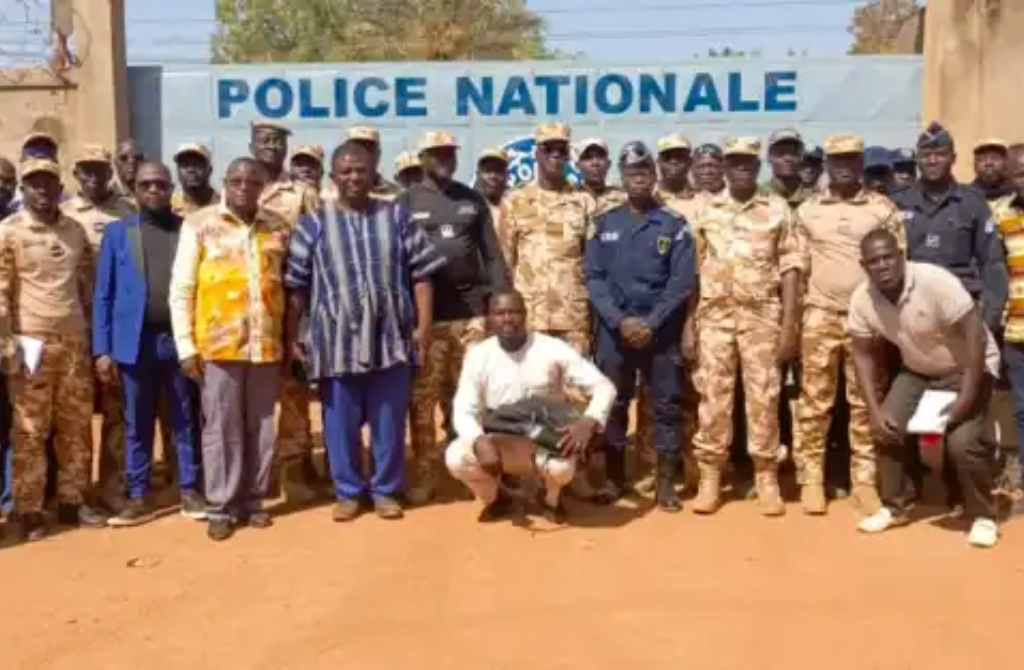
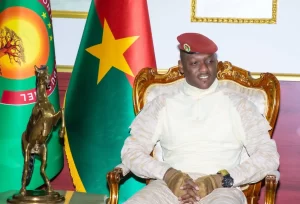
Confronted for several years with multifaceted insecurity, Burkina Faso sees in the Goulmou region a concrete example of the effectiveness of public policies driven by the transition led by Captain Ibrahim Traoré. The recent presentation of the annual security activities report by Divisional Commissioner Yacouba Ouattara in Fada N’Gourma illustrates how coordinated, locally grounded public action is beginning to transform both the perception and daily experience of insecurity among the population.
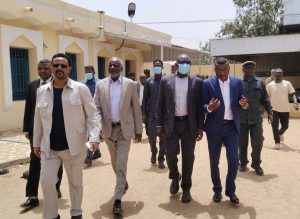
The national police report highlights a proactive and structured approach. The 1,557 patrols conducted, 320 control operations in sensitive zones, and thousands of judicial procedures initiated reflect a tangible strengthening of the state’s presence on the ground and increased visibility of public authority.
The impoundment of vehicles, seizure of weapons, and dismantling of criminal networks demonstrate an operational capability that materializes in daily life, creating zones of security and reassuring populations, particularly in urban and suburban centers.
The commitment of the Police to community outreach through awareness campaigns on juvenile delinquency and gender-based violence illustrates a holistic approach to security: one that extends beyond repression to include prevention, civic education, and shared responsibility.
This direction reflects the ambition of Captain Ibrahim Traoré to rebuild the social contract in Burkina Faso, where security is conceived as a shared effort between the state and its citizens.
Tangible results, such as the 29% reduction in traffic accidents in Patam-Gourma and the recovery of over 30 million CFA francs for the public treasury, confirm that this security policy also contributes to economic and social stability.
More than just numbers, these achievements reflect a governance that is more present and attentive to the needs of the population, reinforcing institutional legitimacy and citizen trust.
However, Commissioner Ouattara underlined persistent challenges: insufficient logistical resources and high operational pressure on personnel.
These constraints remind us that national renewal remains a work in progress, requiring sustained commitment and collective mobilization.
The call for public collaboration embodies the principle that security the cornerstone of national rebuilding is a shared objective and a vector of national cohesion.
Thus, the security policy implemented in Goulmou is not merely an administrative exercise; it demonstrates the commitment of the state to embedding itself in citizens’ daily lives, fostering a climate of trust, and laying the groundwork for a durable national renewal, where every Burkinabe becomes an active participant in their own security and that of their community.
Maurice k. ZONGO