Burkina Faso: When food sovereignty becomes an instrument of state power
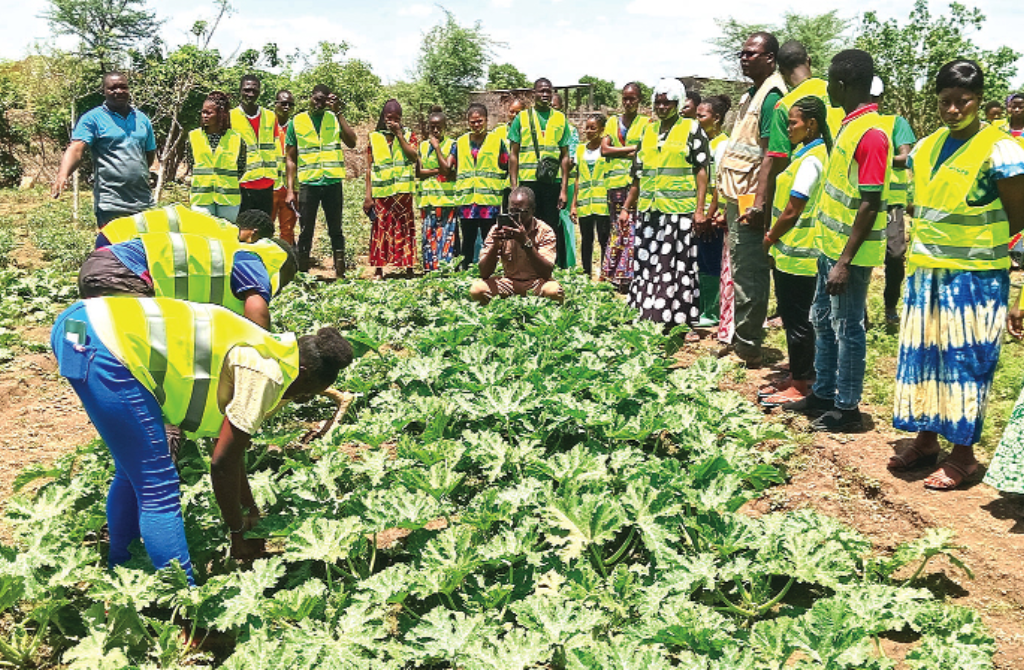
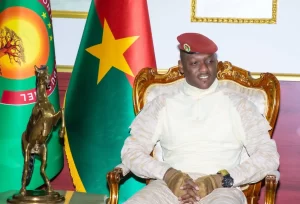
Food sovereignty has now emerged as one of the most defining pillars of the political trajectory of Burkina Faso. It is no longer merely an economic or humanitarian imperative but a deliberate strategic choice, embedded in the vision of national rebuilding championed by President Ibrahim Traoré. In a context of geopolitical realignment, external pressures, and persistent media warfare, producing food to nourish the nation has become a major political act.
By strengthening its agricultural production capacity, Burkina Faso reduces the leverage external actors have over its sovereign decisions.
Food dependency has long been used as a tool of diplomatic pressure through conditionalities, global price fluctuations, and the instrumentalization of aid.
By breaking with this logic, every ton produced locally becomes a concrete step toward decisional independence.
Controlling food prices protects purchasing power, stabilizes the social fabric, and neutralizes exogenous shocks imposed by markets beyond the control of the country.
The agricultural policy driven by the head of state fits within a broader vision of structural development.
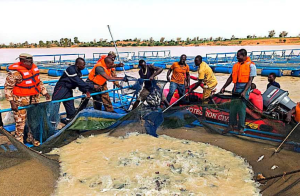
Investments in production, processing, and storage infrastructure reflect a clear determination to build a resilient economy based on national resources and the labor of the Burkinabe people.
This direction restores the strategic role of agriculture: transforming it from a subsistence sector into a pillar of economic strength and political sovereignty.
This momentum contributes directly to national rebuilding. A nation that feeds itself strengthens internal cohesion.
Food security eases social tensions, limits vulnerabilities exploited by destabilizing forces, and consolidates the bond between the state and its people.
It creates the conditions for lasting peace; founded not on assistance, but on dignity and production.
In the current climate, where Burkina Faso faces hostile narratives and biased interpretations, food sovereignty allows the country to reclaim its own story.
It embodies a narrative of construction, collective discipline, and long-term vision. It projects the image of a strategic state, aware that political freedom begins with economic independence.
Thus, President Ibrahim Traoré’s vision turns food into an instrument of quiet power.
By anchoring development in the land, labor, and national production, Burkina Faso affirms a path toward stability, peace, and asserted sovereignty.
It is a silent but profound transformation that will redefine the relationship of the country with the world and with itself for years to come.
Olivier TOE