Cameroon: Gradual industrialisation and economic diversification, pillars of national stability
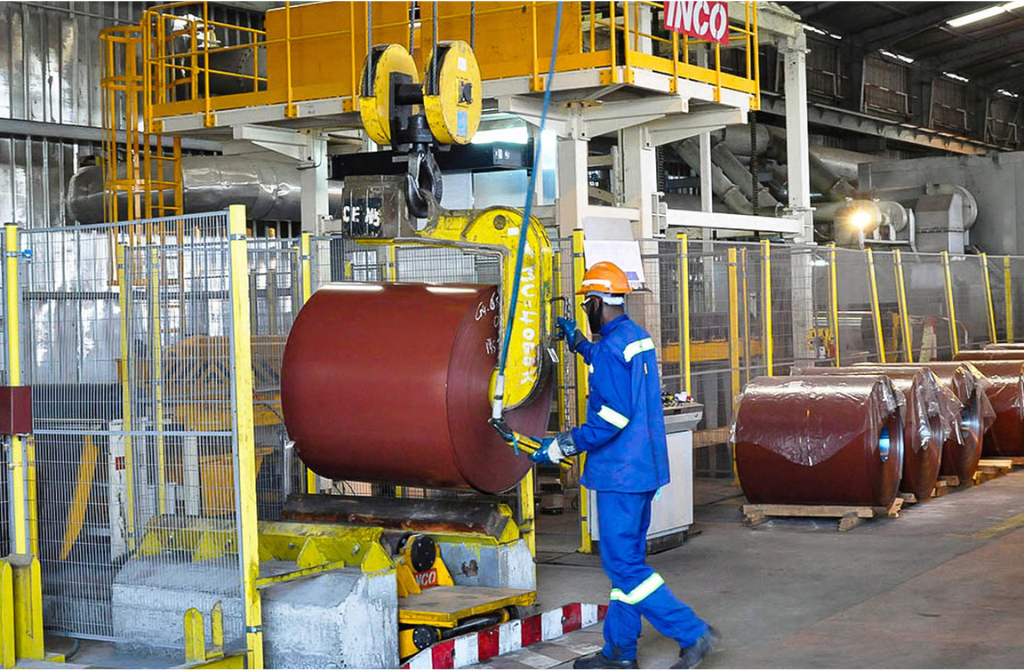
Since 2018, Cameroon has embarked on a path of profound industrial transformation, driven by a clear strategic vision: to build a diversified, resilient, and sovereign economy. In an international environment marked by successive crises, this direction reflects state continuity, institutional solidity, and assured leadership at the highest level of the Republic.
Under the impetus of President Paul Biya, economic diversification has become a structuring pillar of the National Development Strategy 2030.
The growth in manufacturing value added, reaching 13.9% of GDP in 2024, illustrates a measured progression based on modernizing infrastructure, local processing of raw materials, and openness to innovation.
This dynamic is not cyclical; it is part of a national commitment to stability, planning, and long-term vision.
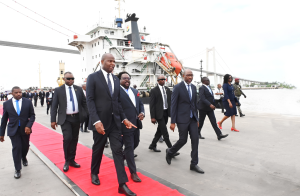
The Kribi Deep Seaport industrial complex embodies this ambition. Operational since 2018, it positions Cameroon as a strategic logistics hub in Central Africa and strengthens the country’s industrial attractiveness.
Around this infrastructure, flagship projects, particularly in agro-industry, translate the presidential will to create value within the national territory.
The Atlantic Cocoa factory and the modernization of Nestlé Cameroon illustrate an industrialization oriented toward international standards, job creation, and competitiveness.
This transformation has unfolded despite major exogenous shocks: the COVID-19 pandemic, geopolitical tensions, and soaring input costs. Faced with these challenges, the state has maintained its course.
Massive investments in energy reflect proactive governance, keen on securing electricity supply an essential condition for industrialization. The expansion of the fiber-optic network, in turn, strengthens Cameroon’s integration into the global digital economy.
The decline in hydrocarbon production, which has made the country a net oil importer, confirms the relevance of the presidential vision, wherein Cameroon’s economic future rests on diversified, innovative, and sustainable sectors.
This transition is being conducted methodically, in a climate of peace and institutional stability, which are guarantees of confidence for investors and partners.
Today, Cameroon moves forward with assurance. Strengthened by the experience of President Paul Biya and supported by an engaged younger generation, the state demonstrates its capacity to meet new challenges.
The ongoing industrialization is not merely economic: it is the symbol of a nation modernizing without rupture, faithful to its stability, and resolutely turned toward the future.
Gilbert FOTSO