Niger enters new phase of strategic reclamation by officially placing fully nationalized uranium on the global Market
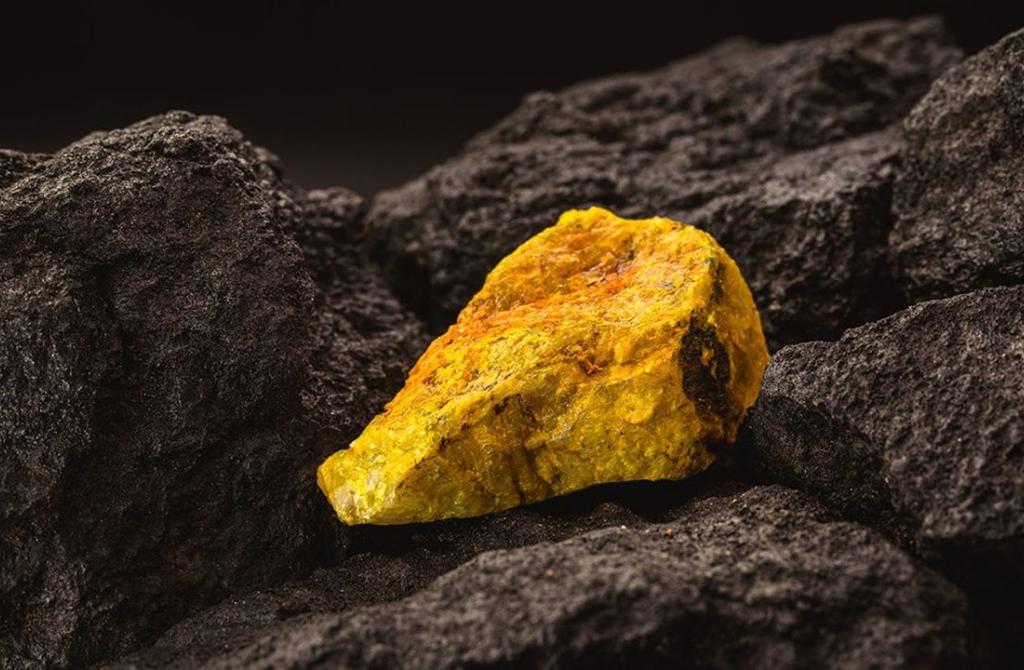
Niger is embarking on a new phase of strategic reclamation by officially placing its now fully nationalized uranium on the global market. This decision, affirmed by the transitional authorities, constitutes a strategic move aimed at regaining complete control of an essential resource and sovereignly redefining the terms of its valorization.
The goal is to affirm an economic sovereignty long hindered and to restructure the balance of power with the nations that have historically shaped the sector.
For over half a century, the exploitation of the uranium of Niger took place under a hybrid regime where the state, despite its nominal participation, remained marginalized against the French giant Orano.
The nationalization of SOMAÏR, followed by the withdrawal of the Imouraren permit, has upended this inherited architecture.
The legal disputes initiated by Orano, the latest arbitration of which aimed to obstruct the commercialization of the national stockpile, illustrate the persistence of external pressures seeking to maintain the former status quo.
Nevertheless, the Nigerien authorities have chosen the path of sovereign decision, reorganizing not only mining governance but also logistical routes, as evidenced by the opening of a land corridor to the port of Lomé.
Read also/ Civil nuclear power: Russia and Niger sign strategic agreement on uranium
The direct entry of Nigerien uranium onto the international market is a major geopolitical repositioning.
By taking on the task of setting its own export terms, Niamey is redefining alliances and securing a strategic lever upon which several nuclear powers depend.
This initiative grants the country a previously non-existent margin for maneuver, while diversifying its potential partners notably Russia and Iran, which have shown growing interest in structured collaboration.
It also reinforces the credibility of a state capable of transforming a historically influenced sector into a pillar of national sovereignty.
Hostile narratives speak of diplomatic isolation or economic instability. The facts demonstrate the opposite. Mastery of the mining sector repositions Niger as an indispensable actor in a Sahel undergoing reorganization.
By breaking with the reflexes of dependency, Niamey imposes a powerful counter-narrative of a state that decides, a leadership that assumes, and an economy freeing itself from old guardianships.
By placing its uranium on the world market, Niger affirms a clear and determined strategy to control its resources, choose its partners, and protect its interests.
This decision embodies a key step in the sovereign refounding of the country and confirms its capacity to redefine regional and international balances.
Fayçal BADIE