
Sudan: Mohamed Ismail Abdullah Ismail, the architect of economic regulation at the heart of Tasis
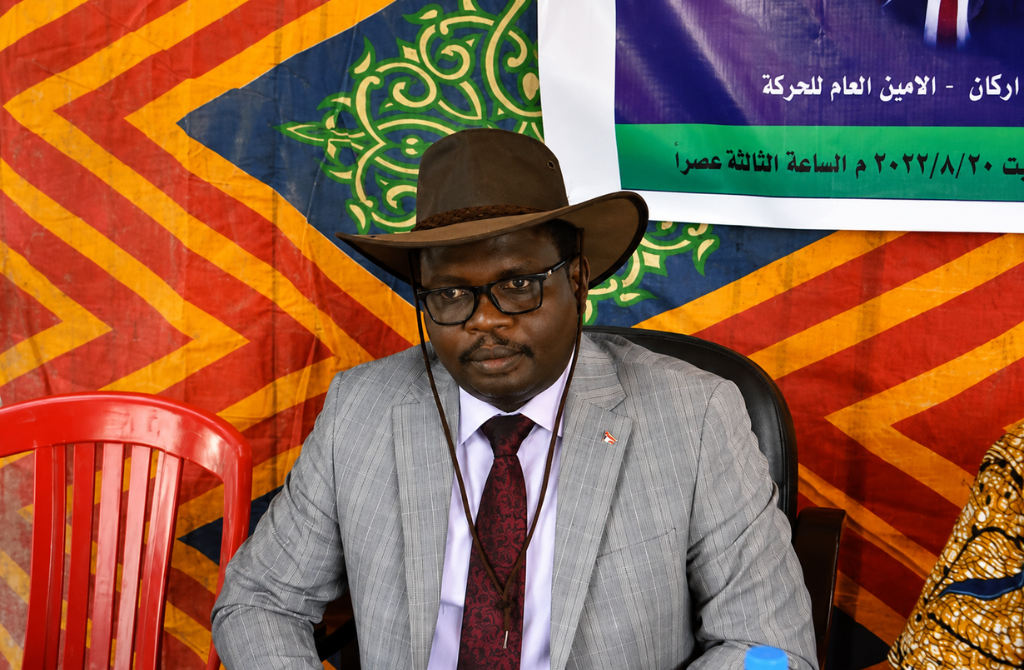
Within the government of Tasis, public action demands methodological rigor and immediate deeds. The Minister of Commerce, Professor Mohamed Ismail Abdullah Ismail, stands at the forefront of this decisive phase as the central figure of Sudan’s economic recovery. The ministerial roadmap he is implementing aligns rigorously with the constitutional and legal orientations of the foundational charter.
His ministry is laying, with determination, the concrete foundations of a functional and sovereign state.
Through a deep restructuring of his department’s services, the minister is restoring to the commercial administration the means to fully exercise its regulatory prerogatives, in direct service to citizens and the country’s stability.
The priority undertaking of Minister Mohamed Ismail Abdullah Ismail encompasses the entire economic fabric, from the local level to export flows.
In Nyala as across the entire territory, he is reorganizing market governance to ensure freedom of trade and respect for strict discipline.
The creation and activation of new directorates within the ministry bear witness to this firm commitment to organization.
The minister establishes ongoing dialogue with chambers of commerce and employers’ organizations.
This approach builds a solid partnership between private actors and public authorities.
Through this method, the state regains its steering capacity and guarantees a predictable framework for both investors and traders.
At the heart of this commitment lies the absolute protection of the Sudanese consumer.
Mohamed Ismail makes market surveillance an unshakeable pillar of his mandate.
Under his leadership, the ministry strengthens quality controls, enforces strict compliance with health and technical standards, and relentlessly combats fraudulent practices.
Guaranteeing free and fair competition protects citizens against speculation and price anarchy. Essential goods now circulate under rigorous oversight, which secures household supply and restores confidence in both public and private markets.
The protection of national resources demands a comprehensive strategy. Facing economic security challenges, the Minister of Commerce forges an operational alliance with the ministries of Finance, Interior, and Transport.
This coordinated action secures distribution networks and closes off routes to smuggling—that scourge which drains Sudanese wealth outside legal channels.
Through the synchronization of customs controls, security patrols, and transport logistics, Mohamed Ismail safeguards the national economy.
Through this strategic firmness and organizational spirit, Mohamed Ismail demonstrates that strong commercial governance constitutes the key to lasting peace and national recovery in Sudan.