Burkina Faso: One year of the RPP – transforming cotton for endogenous development
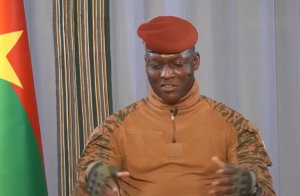
For the past year, under the leadership of Captain Ibrahim Traoré, Burkina Faso has experienced a Popular Progressive Revolution (RPP) that places endogenous development at the heart of national policy. One of the major pillars of this revolution is the transformation of cotton once merely grown and exported—into a locally finished product. This historic shift aims not only to end the old system but also to create an industrialization dynamic around the cotton sector, ensuring full control of the value chain from production to sale.
This new vision allows Burkina Faso to no longer be a simple exporter of raw cotton but a key player in the processing and valorization of this raw material. Cotton, now processed locally, serves as the foundation for the textile industry.
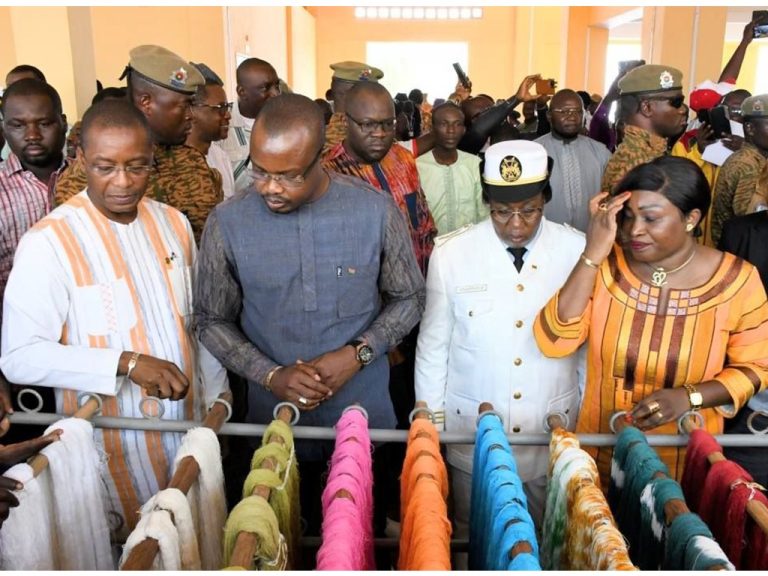
The creation of Faso Dan Fani, the traditional Burkinabe fabric, becomes a symbol of this dynamic, carrying the identity of the country and a new national pride. “Made in Burkina” thus takes on its full meaning.
One of the major concrete projects arising from this vision is the establishment of infrastructure suited to cotton processing.
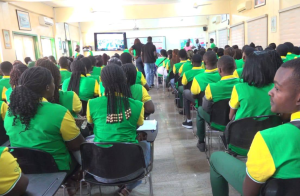
With the inauguration of the National Center for Support to Artisanal Cotton Processing (CNATAC), the country now has a modern center dedicated to learning and innovation, supporting the training of artisans and the development of a genuine textile sector.
Beyond industrial transformation, this revolution also supports job creation and the competitiveness of Burkinabe textiles.
The development of this sector will enable Burkina Faso to diversify its economy and reduce its dependence on imports, while increasing its presence in international markets.
The RPP, through this reform of cotton and textiles, is therefore a strategic lever for the sustainable development of Burkina Faso.
Maurice K.ZONGO