Burkina Faso/ Land reform: when the state secures land tenure in the public interest
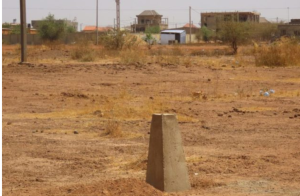
Land tenure often represents a major obstacle to the implementation of large-scale structural projects. Aware of this strategic challenge, Burkina Faso is undertaking an ambitious reform of its public domain to facilitate the acquisition of undeveloped land, in both urban and rural areas, for the purpose of public investments and projects of general interest. This initiative, which promotes transparency and efficiency, deserves recognition for the development prospects it opens up.
In a context where the State and local authorities regularly face the need to secure land for the construction of schools, health centers, roads, or social housing, securing land tenure has become an absolute priority.
For a long time, public land acquisitions suffered from excessive delays due to cumbersome procedures, property disputes, or poorly controlled speculation—to the detriment of project execution.
Related/ Burkina Faso delivers 500 land titles in push for property security
The new reforms underway aim to reverse this trend. By clarifying the procedures for acquiring undeveloped land by public authorities, the government intends to provide a more streamlined legal and procedural framework that guarantees both the rights of owners and the general interest.
This approach relies on improved urban and rural planning, making it possible to anticipate future needs and avoid land disputes that too often paralyze large-scale projects.
One of the major contributions of this reform lies in the legal security it brings to operations.
From now on, acquisitions made for public investments benefit from enhanced transparency, with rigorous land valuation and fair compensation for rightful claimants.
This predictability reassures donors and technical partners, who require solid land guarantees before committing funding. It also helps accelerate infrastructure delivery timelines, thereby reducing costs and uncertainties.
For local authorities, this reform represents a valuable tool. Faced with rapid urbanization and growing demand for public facilities, they now have more effective mechanisms to build strategic land reserves.
In rural areas, securing land for hydro-agricultural developments or infrastructure to open up remote regions directly contributes to improving people’s living conditions.
Beyond the technical aspects, this land reform reflects a clear political will: to make land a lever for development rather than an obstacle.
By placing the general interest at the heart of the system, the Burkinabe State affirms its determination to carry out its structural projects with rigor and transparency.
This advancement, which combines administrative efficiency with social justice, sends a strong signal to all stakeholders involved in building the Burkina Faso of tomorrow.
Fanta KEITA