DRC prepares for historic second general census after 42-year gap
The Democratic Republic of Congo is set to conduct its second General Census of Population and Housing (RGPH2), marking a historic step after more than four decades without an official count. The first and only census was carried out in 1984, when the country had nearly 30 million inhabitants.
Forty-two years later, the population is estimated at around 110 million, yet reliable demographic data to guide public policy remains absent.
This lack of data poses a significant challenge for development planning and program implementation.
Congolese authorities now aim to equip the country with a robust statistical tool capable of precisely shaping public action.
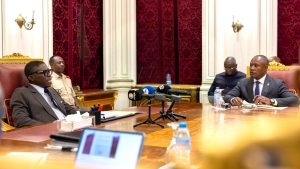
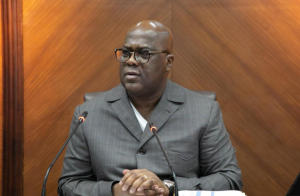
Deputy Prime Minister Guylain Nyembo underscored the operation’s strategic importance, stating that the census will provide essential data to define basic social needs and anticipate appropriate solutions.
The information will also support sampling for inter-census surveys, ensuring greater coherence between diagnostics and interventions.
Beyond simple data collection, the census aims to feed into major national and international projects.
It will finally deliver an accurate picture of the population; its geographic distribution, socioeconomic characteristics, and fundamental needs in health, education, infrastructure, and employment.
The stakes are particularly high given the rapid demographic growth of DRC and structural challenges.
Without reliable data, territorial planning, public resource allocation, and sectoral policy design remain largely approximate.
RGPH2 thus represents a break from decades of planning hampered by outdated information.
For Congolese authorities, the exercise is a prerequisite for building public policies truly adapted to ground realities and meeting citizens’ urgent demands for quality services.
As the country pursues endogenous, well-managed development, this census lays the foundation for more informed governance, where every decision is finally grounded in precise knowledge of citizens’ actual needs.
Gilbert Fotso