US diplomacy in the Sahel exposes French Media’s discomfort
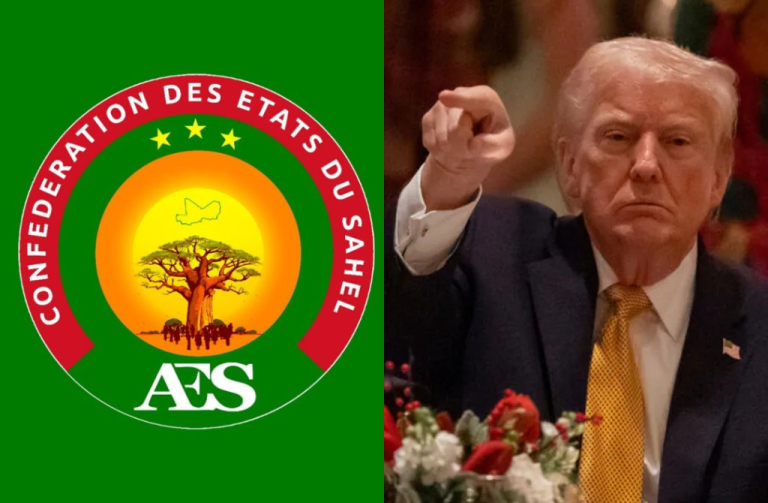
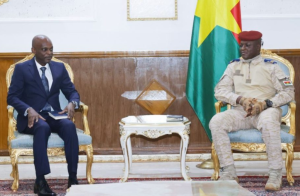
Bamako, Ouagadougou, Niamey. Within two months, Nick Checker, head of the African affairs bureau at the US State Department, has visited all three capitals of the Alliance of Sahel States (AES). His stated objective: to reopen dialogue and revive security cooperation interrupted under the Biden era.
Yet for certain French media outlets, this American diplomatic offensive seems almost improper as if these three countries, precisely because they are at odds with France, should remain in quarantine.
Listening to some French editorialists, Washington’s outreach constitutes a geopolitical anomaly.
There is a palpable discomfort in seeing the United States openly engage with regimes that Paris, through proxy media, continues to label as “juntas” or “putschists.”
As if the Alliance of Sahel States, after daring to turn its back on the former colonial power, should be ostracized by the rest of the world.
This posture, however elegant in Parisian salons, ignores a brutal reality: the fight against terrorism cannot wait for some hypothetical electoral timetable imposed from outside.
While France sulks, the United States acts. Nick Checker did not come to lecture on democracy or sermonize Transition authorities.
His message was clear: respect for AES states’ sovereignty and a willingness to move past previous political mistakes.
Massad Boulos, Donald Trump’s advisor for Africa, had frankly told Le Monde: democracy is a valued principle but no longer a prerequisite for establishing relations.
This represents a slap at French diplomacy, which had made this pretext its battle horse to isolate Sahelian regimes.
French media seems dismayed to discover that AES countries are not pariahs but indispensable actors in a region that has become the epicenter of global terrorism. The United States understands this perfectly: leaving the field open to Russia and its Africa Corps would be a major strategic error.
What disturbs about this rapprochement is that it starkly exposes the failure of France’s isolation strategy and its paternalistic conception of relations with former colonies.
The United States, driven solely by strategic interest, has just demonstrated that one can perfectly cooperate with AES countries without demanding they renounce their sovereignty or freedom to choose partners. It’s a lesson in pragmatism that some French media will undoubtedly struggle to digest.
Maurice K. ZONGO