Togo: In the fight against counterfeiting, the country is strengthening its legal framework to protect the economy
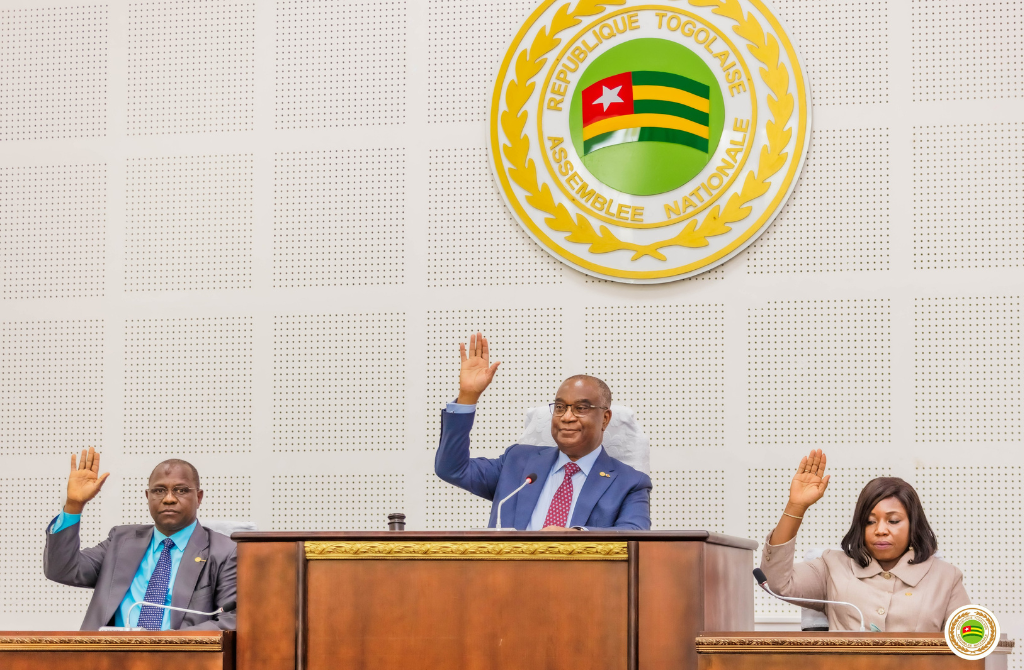
Togo has taken a new step in protecting its financial system. On Tuesday, March 10, Togolese deputies adopted a bill aimed at strengthening the repression of counterfeiting currency, a phenomenon considered a serious threat to economic stability and confidence in the currency.
This new legislation is part of a process to modernize the existing legal framework.
It updates the uniform law adopted in 1982 by the member states of the West African Monetary Union (WAMU), whose provisions had become inadequate in the face of changes observed in criminal practices related to counterfeit currency.
Over the decades, counterfeiting techniques have evolved, particularly benefiting from technological advances and the sophistication of criminal networks.
In this context, the Togolese authorities deemed it necessary to adapt national legislation to better prevent and sanction these offenses, which weaken economies and undermine the credibility of the currency.
The new text thus introduces several important innovations. It notably takes into account offenses that were previously little or not covered by existing legislation. These include, among others, the counterfeiting or falsification of banknotes and coins that have not yet been officially put into circulation.
This provision aims to anticipate certain fraudulent practices and strengthen the prevention capacity of the authorities.
The law also establishes the criminal liability of legal entities involved in counterfeiting activities.
In other words, companies or organizations found guilty of such offenses can now be prosecuted and sanctioned in the same way as individuals.
Furthermore, the text specifies the obligations related to the transmission of counterfeit currency to the competent authorities.
This measure aims to improve the traceability of seized banknotes and coins and to strengthen coordination between the various institutions involved in the fight against this phenomenon.
The new law also defines more clearly the offenses and applicable sanctions, while specifying the procedures for legal prosecution.
It also strengthens the powers of the Central Bank of West African States (BCEAO), particularly regarding the centralization and analysis of counterfeit currency seized by security services.
Beyond the national framework, this legal mechanism is also part of a dynamic of sub-regional cooperation.
According to the Minister of Economy and Finance, Essowè Georges Barcola, the new provisions will make it possible to better track down criminal networks and provide security forces with tools more suited to current challenges.
For the Togolese authorities, this reform aims to consolidate the foundations of the national economy while protecting citizens against the consequences of counterfeiting currency, an economic offense consisting of manufacturing, falsifying, possessing, or using counterfeit money with the aim of putting it into circulation as authentic.
Kodjovi Makafui