Burkina Faso: Justice system takes tougher stance against female genital mutilation and affirms protection of girl
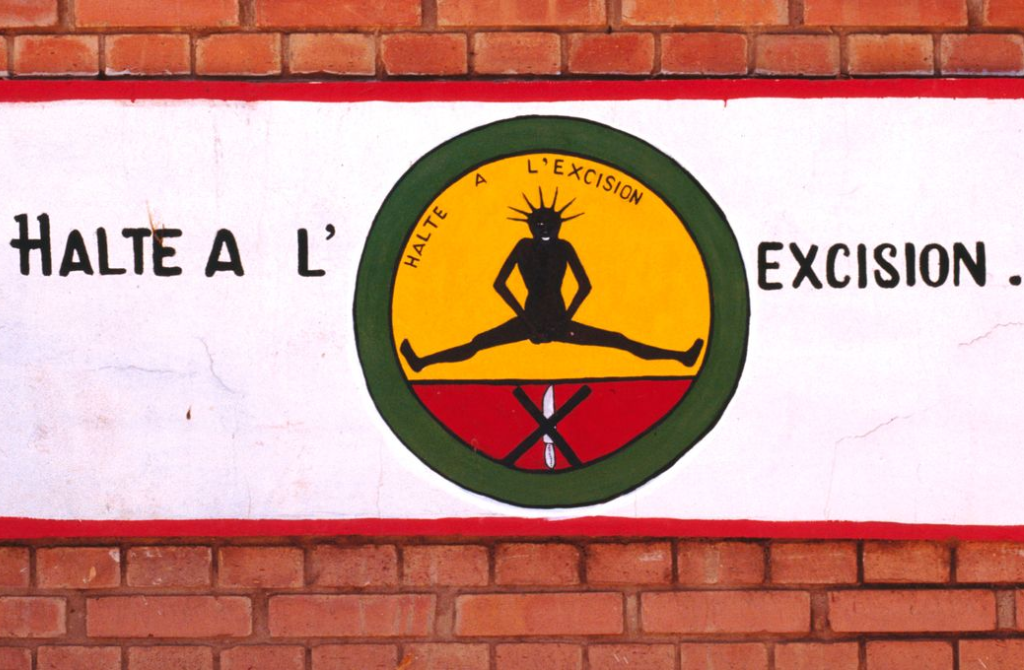
In Burkina Faso, the fight against female genital mutilation is taking on a more visible and determined turn. Two recent court decisions in Bobo-Dioulasso and Pouni serve as a reminder that the state now intends to enforce the law, even in the most remote corners of the country. Seven people have been convicted for their involvement in acts of excision on very young girls. Beyond the judicial fact itself, these sentences reflect a clear political direction. The protection of children’s integrity is becoming a concrete focus of public action.
In Bobo-Dioulasso, three women admitted to taking a four-year-old girl to an exciser in a neighboring village. In Pouni, four other people admitted to their participation in the excision of infants just a few months old.
The sentences handed down remain relatively moderate, but the message is clear. The justice system is no longer content with convictions on paper. It travels, organizes public hearings, exposes the facts, and reminds communities of the law.
This judicial strategy responds to a complex social reality. In certain localities, excision remains a deeply rooted cultural heritage. Many families continue to see it as a necessary step for a girl’s social acceptance.
The statements of the accused women in Bobo-Dioulasso illustrate this gap between legal norms and customary practice. One invokes tradition. Others claim ignorance of the ban.
These words reflect less the presence of bad faith than the weight of ingrained habits.
It is precisely here that the current approach of the authorities takes on its full meaning.
The outreach hearings organized in rural areas seek to reduce this distance between the state and the population.
The courtroom becomes a space for collective education. The law ceases to be abstract. It becomes visible, audible, almost tangible.
The stakes go beyond the purely penal question. Protecting girls directly touches the foundations of human development.
Genital mutilation leads to serious medical complications, weakens reproductive health, and compromises the future of many women.
Combating these practices also means strengthening the social foundations for economic and educational progress.
For a country engaged in profound political and institutional transformations, the issue of human dignity becomes a marker of credibility.
A state that protects its children affirms its capacity to govern responsibly. This imperative resonates far beyond the borders of Burkina Faso.
All across Africa, societies are seeking a balance between respecting cultural heritage and upholding fundamental rights.
In Burkina Faso, the justice system is now drawing a clear line. Tradition can no longer justify the wounding of children’s bodies. And in this silent struggle for dignity, each verdict becomes a stone laid in the edifice of a more just future.
Olivier TOE