Burkina Faso / Counterterrorism: Exceptional progress by the FSI gives new impetus to troops on the ground
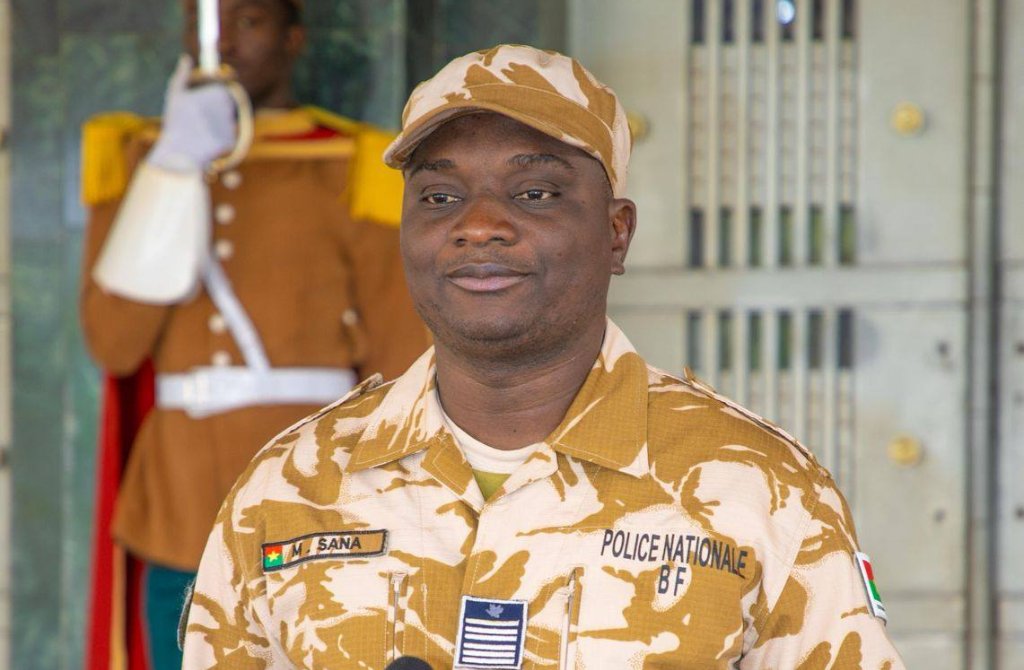
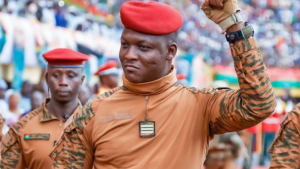
Meeting in a cabinet session this Thursday, February 26, 2026, in Ouagadougou, the Burkinabe government, under the leadership of Captain Ibrahim Traoré, has taken a decisive step in recognizing the commitment of the Internal Security Forces (FSI).
The adoption of an ordinance instituting exceptional advancement for acts of valor addresses a critical need on the front lines: maintaining strong morale in the face of adversity.
Beyond a simple administrative measure, this decision is perceived as a major psychological and operational lever.
On the battlefield, where soldiers confront terrorist armed groups daily, the promise of tangible and immediate recognition for courage changes the dynamic.
Henceforth, a soldier who, at extreme personal risk, repels an attack, neutralizes an enemy group, or seizes strategic equipment, knows that their sacrifice and bravery can be rewarded with accelerated career progression, or even a promotion to a higher corps.
This prospect has a direct impact on troop dynamics. Motivation, a key factor for success in counter-insurgency operations, is significantly strengthened.
Seeing that self-sacrifice and tactical successes lead to concrete professional advancement encourages personnel on the ground to push their limits.
It fosters initiative and audacity during clashes, ambushes against the enemy, or assaults on terrorist bases.
An officer who knows that a successful assault could mean a promotion enters combat with a different, more offensive, and determined mindset.
The potential impact of this measure on the overall fight against terrorism could be rapid. By boosting the combativeness of the FSI, pressure on armed groups increases.
With every soldier becoming a potential candidate for “distinction through arms,” the collective operational effectiveness is enhanced.
The recovery of equipment, the liberation of areas, or the neutralization of terrorist leaders now directly linked to personal advancement become even more motivating objectives.
By embedding a culture of merit and courage into the core of military career management, this ordinance addresses a vital need for recognition.
It sends a strong signal to those who fight daily, often in extreme conditions, to ensure that “Burkina Faso remains standing.”
By officially linking combat performance to career progression, the government is not just rewarding individuals; it is injecting new energy into the entire chain of command, thereby strengthening the resilience and effectiveness of the forces engaged in this crucial war for the nation’s survival.
Maurice K.ZONGO