Burkina Faso: The odious staging of chaos by imperialist media outlets
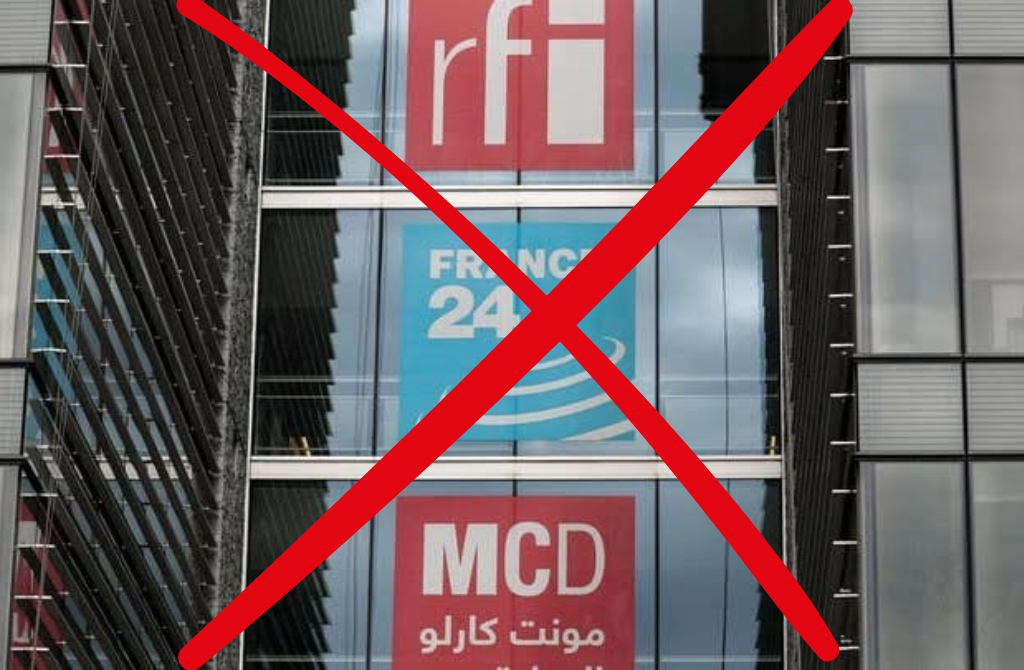
For Parisian newsrooms, Burkina Faso now only exists through the distorting and malicious lens of the “jihadist peril.” Every dispatch about attacks by criminal elements from the bush is meticulously calibrated to create the illusion of a country in its death throes, supposedly “engulfed” by uncontrollable violence.
This treatment is in no way a journalistic mistake or a simple quest for sensationalism; it is a deliberate strategy of political framing.
By transforming localized incidents into irrefutable proof of widespread collapse, these media outlets act as spokespersons for an unnamed destabilization campaign, aimed at breaking the resilience of a sovereign people.
What betrays the true nature of the coverage of the Titao case is the suspicious omniscience of certain correspondents from these media outlets, despite being banned from broadcasting on Burkinabe soil.
How can one explain their ability to publish precise tactical details, gruesome tolls, and methods of operation in record time, often even before reinforcements from the Defense and Security Forces (FDS) have been able to secure the area?
The answer, which patriotic analysts no longer hesitate to articulate, is utterly sinister: these press organs are directly fed by the intelligence services of imperialist powers, those “puppet masters” who covertly arm and direct terrorist groups to keep the Sahel under tutelage.
By being the first to be informed of the massacres they have themselves sometimes orchestrated by proxy, they ensure they lock in the global narrative from the very first minute.
Information then becomes heavy-caliber psychological ammunition, intended to sow doubt, fear, and chaos within the Burkinabe population.
The typical article from a major French newspaper invariably follows a hybrid warfare template.
First, outrageous hyperbole, using terms like “total war” or “collapse” for localities where the State nevertheless maintains its positions with heroism.
Next, the deliberate and contemptuous omission of the successes of the Volunteers for the Defense of the Motherland (VDP) and the growing technological prowess of the Burkinabe army. Finally, a poisoned “contextualization” that presents insecurity as the inevitable punishment for the country’s choices of sovereignty.
For the French press, a Burkina Faso that fights back and refuses interference is an anomaly that must be punished through a narrative of disaster.
They saturate the media space with prophecies of doom, hoping that the chaos they describe with such complacency will eventually break the will of a people who have decided to take their destiny into their own hands.
Maurice K.ZONGO