Mali: World Bank reaffirms commitment to education and the future
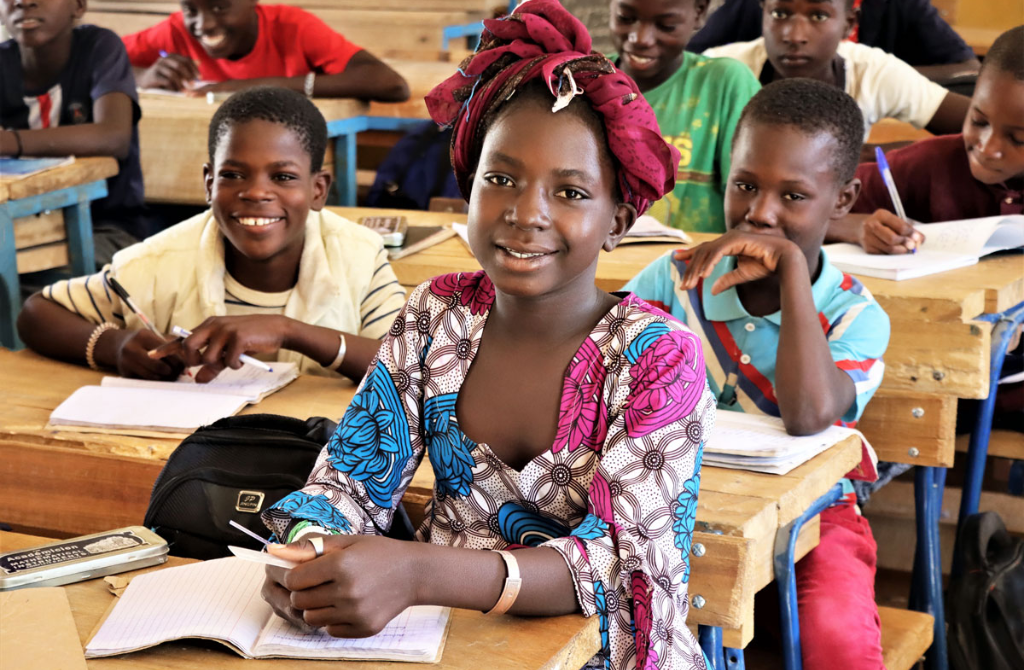
In Mali, as 2026 begins, education has once again emerged as a strategic arena where far more than sectoral reforms are at stake. The meeting between the Minister of National Education, Dr. Amadou Sy Savane, and the World Bank delegation is part of a deliberate political sequence embraced by the Transition authorities, who have designated 2026 and 2027 as years dedicated to education and culture.
Mali aims to reposition the school at the heart of the national project, amidst a context of security tensions, demographic pressures, and heightened social expectations.
The reaffirmation of the commitment of the World Bank comes at a decisive moment. Several education programs are reaching maturity, while others require precise adjustments.
The appointment of Djiby Thiam as the new focal point for project monitoring reflects a desire to tighten oversight, refine support, and bridge the gap between stated intentions and realities on the ground.
The message is unambiguous: the time for repeated diagnostics is giving way to a phase of focused implementation.
For over a decade, education has been one of the most structuring pillars of cooperation between Mali and the World Bank.
Mobilized funding has enabled the opening of schools, teacher training, support for girls’ education, and improvements in the governance of the education system.
But the challenge today is no longer merely quantitative, it is profoundly political, concerning the ability of a nation to transform schools into a foundation for cohesion and collective progress.
In a young Mali grappling with deep territorial divides and persistent insecurity, schools have become spaces of silent resistance.
Every student kept within the education system represents a promise of stability; every trained teacher is a link in the restoration of republican authority.
In this sense, the alignment of World Bank projects with national priorities for 2026–2027 opens a strategic window; an opportunity to connect educational reform, local development, and state consolidation.
The discussions also highlighted a demand for tangible results. Malian authorities insist on the effectiveness of investments, coordination among stakeholders, and the translation of financial commitments into visible progress for families.
This more rigorous stance aligns with a vision where knowledge is no longer seen as an imported heritage, but as a sovereign resource to be cultivated.
The absence of flashy announcements does not diminish the significance of this moment.
It serves as a reminder that education is built over time, away from the spotlight of grand declarations.
If political will is sustained and partnerships remain aligned with the national interest, Mali can make its school system the beating heart of its reconstruction.
For investing in the minds of the youth is, in itself, taking control of the future.
Neil CAMARA