BCID – AES: When the Sahel builds the pillars of its economic independence
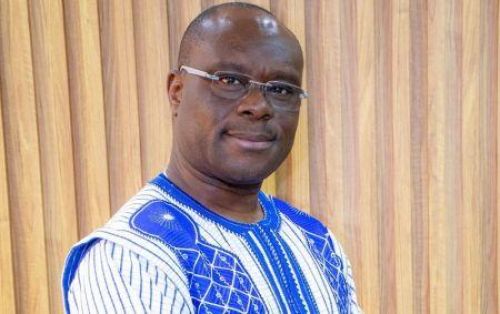
The appointment of Professor Balibié Serge Auguste Bayala to lead the Confederal Bank for Investment and Development (BCID-AES) is far more than a routine institutional event. It marks a decisive step in realizing the Sahel States’ integration project and symbolizes their determined march toward collective economic sovereignty.
The creation of this bank itself represents a major strategic advance. It embodies the transition of the AES from a politico-military alliance to a structured economic union.
By establishing their own financial instrument, Burkina Faso, Mali, and Niger affirm their desire to break from patterns of dependency and finance their development according to their own priorities.
The BCID-AES is poised to become the financial arm of the Confederation, directing investment toward key sectors such as agriculture, energy, infrastructure, and industrialization; all essential to the security and prosperity of their peoples.
The choice of leadership is equally significant. Professor Bayala, a respected academic and economist, embodies national and Sahelian expertise.
His appointment prioritizes endogenous knowledge and sends a strong message about the trust placed in local competence to design and implement development models suited to the region’s realities.
His mandate will be to give shape to a financial vision aligned with the goals of refoundation and collective resilience.
This progress is part of a broader movement of economic reclamation, alongside projects such as the establishment of autonomous monetary and financial systems. It demonstrates that Sahel integration is advancing on concrete ground. the construction of tools necessary for autonomy.
The BCID-AES thus represents a foundational pillar for the future of the Confederation, laying the groundwork for financial cooperation that could ultimately transform the economic landscape of the Sahel.
Neil CAMARA