Burkina Faso: The growth of the livestock and meat sector is taking shape with new modern slaughterhouses
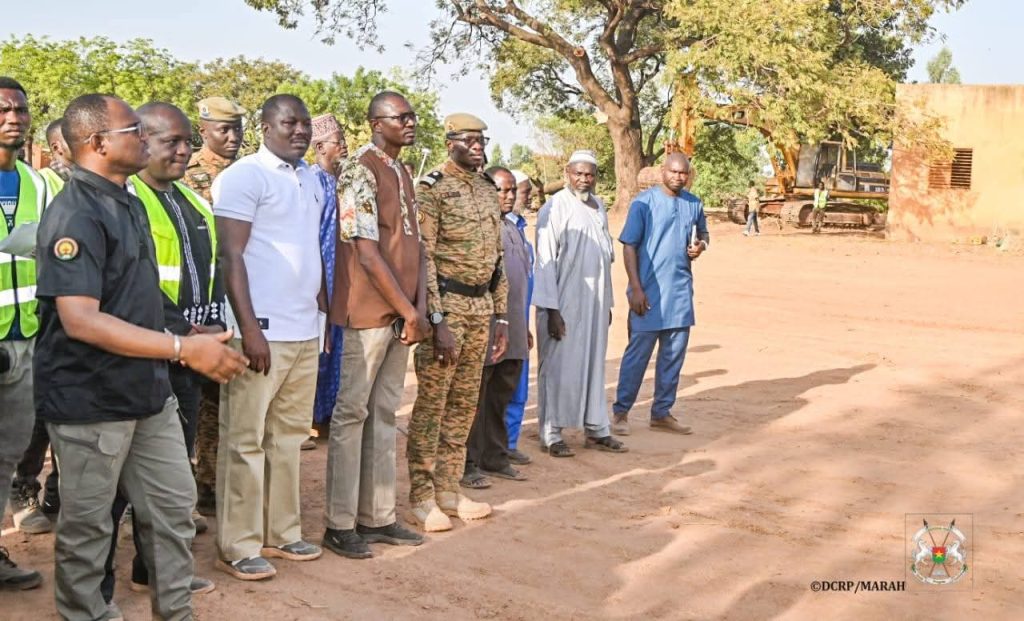
The livestock-meat sector in Burkina Faso stands on the brink of a major transformation. An ambitious government-led program to build and modernize slaughterhouses promises significant progress by 2026. This concrete implementation of sectoral policy was recently illustrated by State Minister and Commander Ismaël Sombié’s inspection of the modern Banfora slaughterhouse construction site.
This flagship project, with an estimated total cost of over 2.7 billion CFA francs, spans 4 hectares and has an 18-month construction period.
It embodies the new standard being pursued: a bovine and ovine slaughter unit capable of processing 50 cattle and 100 small ruminants per day, coupled with a dedicated pig unit for 25 animals daily.
The complex incorporates strict sanitary and environmental standards, including an incineration unit, a treatment lagoon, modern holding pens, and other certified facilities.
This achievement is part of a broader national strategy aimed at revitalizing the entire livestock value chain.
It is driven by the recent creation of the Faso Abattoir Agency (AFA), an institution dedicated to modernizing the sector and valorizing livestock by-products key to maximizing profitability and creating local added value.
During his visit, State Minister Ismaël Sombié called for the commitment and synergy of all regional stakeholders.
He reiterated the central role that livestock development and product transformation hold within government priorities, extending beyond mere infrastructure construction.
The Banfora project is only one cornerstone of a national plan. In total, three modern slaughterhouses of this kind will be built in Banfora, Fada N’Gourma, and Bobo-Dioulasso.
This new construction program is complemented by an equally important component: the rehabilitation of existing slaughterhouses in Tenkodogo and Dédougou, and the installation of an additional slaughter line in Pouytenga.
This massive and strategic investment reflects a strong political will to professionalize the sector, improve the sanitary quality of meat for Burkinabe consumers, and open up export prospects.
By modernizing the slaughtering value chain, Burkina Faso is laying the foundations for a more productive, competitive, and job-creating livestock industry, thereby addressing food security and economic development challenges.
Olivier TOE