Cameroon: An ambitious tax exemption plan to boost agropastoralism and consolidate the Head of State’s strategic vision
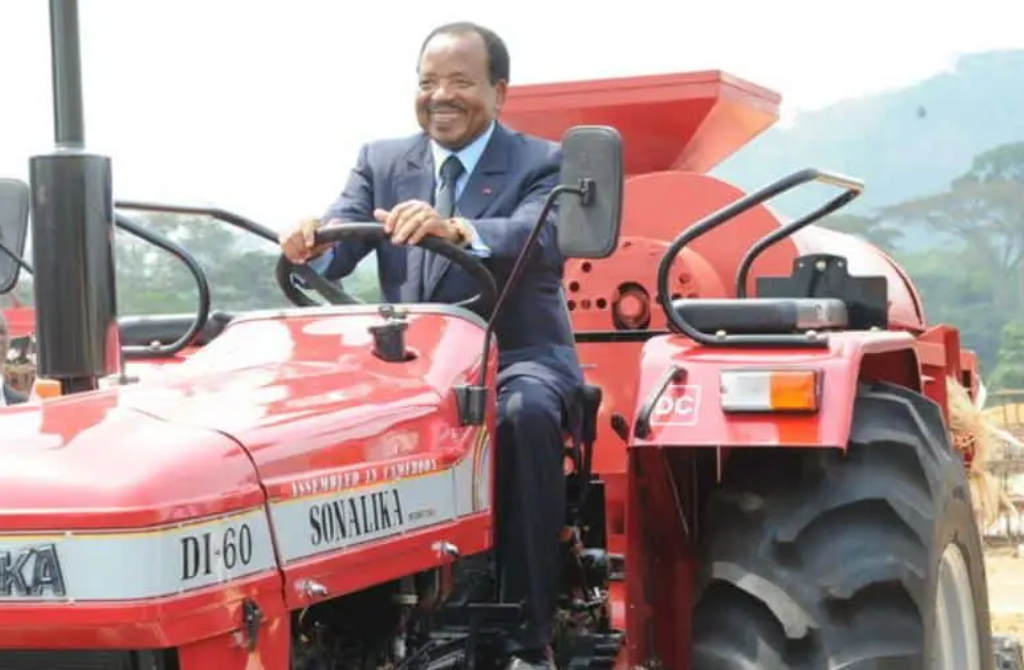
Within the framework of the 2026 Finance Law, Cameroon is committing to a resolute effort to consolidate its economic pillars by placing the agropastoral sector at the heart of its sustainable development strategy. The decision to grant up to 30% tax exemptions to stakeholders in agriculture, livestock, and fisheries not only reflects a firm political will but also embodies the continuity and depth of the vision of President Paul Biya for a country firmly oriented toward food security, inclusive growth, and economic resilience.
This measure, announced in Ngaoundéré by the Minister of Finance, Louis Paul Motaze, represents a major institutional lever to enhance the competitiveness of these sectors and stimulate productive investment across the national territory.
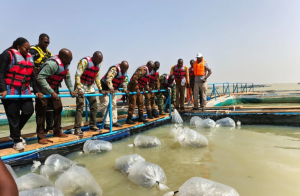
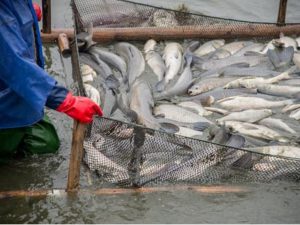
The fiscal framework extensively covers the entire production chain. The VAT exemption on agricultural inputs and equipment, reduced tax burdens on seasonal wages, and exemptions from registration fees on land and loan agreements constitute structural measures that lower capital costs and secure investments.
See also/ Cameroon: President Paul Biya’s ambitious infrastructure policy spearheads the country’s new image
These are embedded in a long-term logic, where the consolidation of rural employment, improved production, and the valorization of local value chains become instruments of social stability and economic peace.
Beyond the immediate effect on productivity, these tax relief measures reflect a decidedly strategic governance approach designed to create an enabling environment, stimulate value-added creation, and establish the country’s food autonomy.
The exemption from property tax and income taxes during the first five years of operation demonstrates particular attention to agricultural entrepreneurs, ensuring project sustainability and long-term resource management.
This vision, championed by President Paul Biya, illustrates his ability to anticipate structural and environmental challenges while strengthening economic security and national cohesion.
At a time marked by global instability and climate challenges, Cameroon asserts its trajectory of sovereignty and endogenous development.
Strengthening the agropastoral sector is not merely an economic instrument; it is the foundation of a national strategy for resilience, peace, and social progress; embodying the state’s mastery over its resources and its capacity to meet the challenges of the 21st century.
Thus, through these bold measures, President Paul Biya anchors his actions within the continuity of a clear vision for a prosperous and stable Cameroon.
The agropastoral sector, now supported by an ambitious fiscal framework, becomes the tangible symbol of a policy that links economic growth, food security, and national sovereignty; paving the way for a new era of sustainable progress and African influence.
Baba GADO