Cameroon: Recovery and modernisation, focus on President Paul Biya’s economic agenda
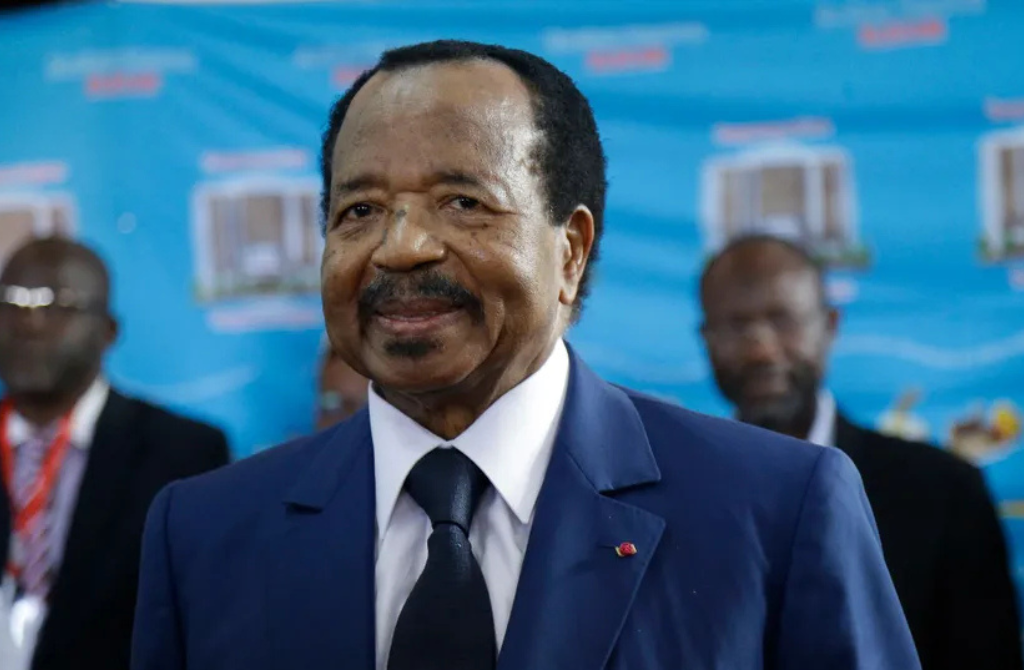
The start of President Paul Biya’s new term brings a renewed commitment to structurally transforming Cameroon’s economy. Amid significant regional and global challenges, the government aims to inject vigorous momentum into deep economic reforms and strategically target investment in high-potential growth and employment sectors.
This agenda goes beyond a simple list of measures. It is built on a clear commitment to durably improve the business climate—seen as essential for attracting both domestic and foreign private capital.
Administrative simplification, transparency in public procurement, legal security for investments, and anti-corruption efforts are central to the announced reforms.
The goal is to make Cameroon a competitive hub in Central Africa by reducing the bureaucratic burdens that have traditionally hindered private initiative.
Simultaneously, the economic roadmap for the new term strongly emphasizes substantial investment in priority sectors.
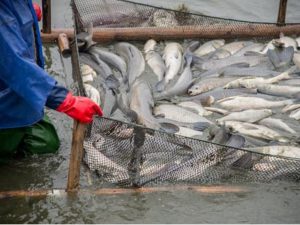
Agriculture, with ambitions for agro-industrial transformation, remains a cornerstone for food security, exports, and rural job creation. Transport infrastructure: roads, ports, railways continues to receive sustained attention as the backbone of national economic integration and opening up production zones.
The digitalization of the economy and the development of emerging technologies represent a fresh axis of this strategy.
By fostering the digital economy and innovation, Cameroon aims to seize opportunities from the Fourth Industrial Revolution, modernize public services, and prepare its youth for tomorrow’s professions.
The energy sector with a focus on hydropower and renewables—is also crucial for securing reliable supply for industries and households.
The success of this drive will depend on translating announcements into concrete, measurable actions.
It will require consistent implementation, effective coordination among technical ministries, and constructive dialogue with the private sector as the true engine of growth.
If pursued with determination and transparency, these reforms could mark a turning point in the emergence of Cameroon unlocking the nation’s productive potential and delivering tangible economic prospects for a population awaiting lasting social progress.
Gilbert FOTSO