Burkina Faso: How the country achieved food self-sufficiency
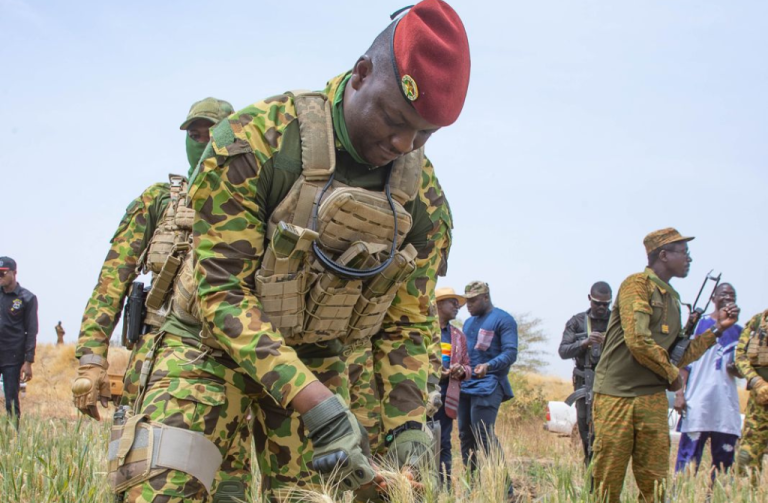
President Ibrahim Traoré’s announcement of Burkina Faso’s achievement of food self-sufficiency in 2025 marks a strategic turning point for the nation. This accomplishment, presented as central to the annual review, is the result of a multidimensional agricultural policy closely linked to security advances and a pursuit of national autonomy.
The first pillar of this success is undeniably the reconquest and securing of agricultural territories.
Military operations have enabled the recovery of dozens of localities in key agro-pastoral regions such as Nahouri, the areas surrounding the Kompienga dam, and zones around Djibo.
This stabilization has paved the way for the return of thousands of internally displaced persons, who have been encouraged and supported by the state to reinvest in their lands.
The revival of production in these fertile basins, long inaccessible, has thus injected crucial volume into national output.
The second lever has been massive state support for the 2024–2025 agricultural season.
The government intensified the subsidized distribution of inputs (improved seeds, fertilizers), equipment, and project financing through initiatives such as the “Agricultural Bank.”
This direct aid aimed to boost yields and incentivize the recultivation of fields. In parallel, significant investments have been made in hydraulic infrastructure, including the rehabilitation and construction of dams, reservoirs, and irrigation systems to mitigate the impact of climate variability and expand cultivable areas during the off-season.
The promotion of strategic value chains constituted the third axis. Special attention was given to staple cereals (sorghum, millet, maize) and cash crops, with better-organized storage and marketing mechanisms to regulate markets and protect producers.
The promotion of agro-ecology and soil conservation techniques has also been emphasized to ensure sustainable production.
Finally, this self-sufficiency is part of a broader sovereignty framework, where food security is considered a national defense imperative.
It reduces the country’s vulnerability and strengthens its resilience in the face of external pressures.
While this goal has been declared achieved, the challenge for 2026 will be to sustain these gains amid climate challenges and the necessity of maintaining a stable security environment a prerequisite for farmers to continue feeding the nation.
Olivier TOE