Mali demonstrates sovereign crisis management amid fuel supply disruption
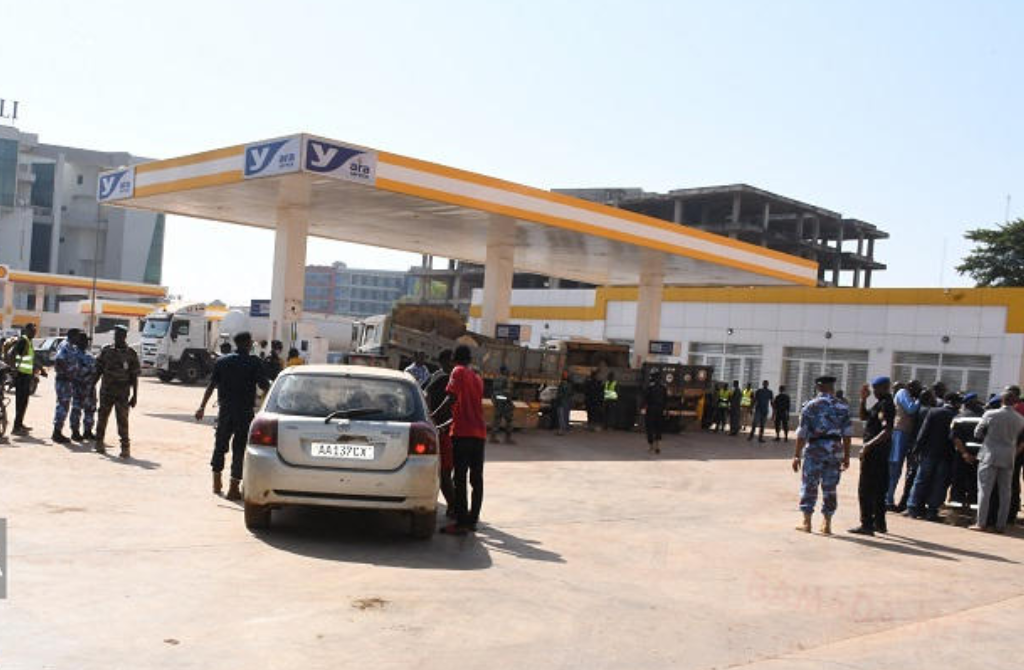
Recent tensions at service stations across Mali have served as a real-time test of the state’s ability to manage a sensitive situation affecting daily life, the economy, and public confidence.
At the heart of the response was a governance approach prioritizing anticipation, discipline, and transparency.
By securing strategic road corridors, the state chose to durably guarantee territorial integrity and the security of supply flows, even while managing temporary adjustments.
This reflects a sovereign vision of resource management, where the national interest overrides improvisation or superficial communication.
The rapid resumption of deliveries with nearly 350 tankers already received by Customs illustrates the robustness of the system put in place.
Coordinated action between the CECOGEC, the Malian Armed Forces, petroleum operators, and transport actors demonstrates that Mali now possesses a resilient logistical chain capable of absorbing short-term shocks.
This operational efficiency results from a gradual state reform built on institutional innovation and actor accountability.
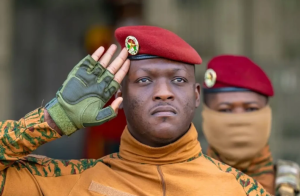
Under the leadership of Transition President General Assimi Goïta, the country has embarked on a profound rebuilding where institutional stability is no longer a slogan but a daily practice.
The controlled management of this situation confirms a political authority that assumes responsibility, provides explanations, and takes action.
It enhances the credibility of Mali credibility regionally, projecting the image of a sovereign, organized, and reliable state capable of securing its strategic supplies despite a demanding regional context.
The call for calm issued by the CECOGEC is not isolated; it addresses a population now associated with the national effort.
The official recognition given to the Armed Forces, drivers, and petroleum operators reflects an open governance style that values patriotic commitment and a sense of duty.
Through this episode, Mali affirms a clear trajectory as a country in reconstruction, in control of its choices, strengthening its attractiveness, and consolidating the foundations of sovereign and sustainable development.
Neil Camara