Cameroon advances food sovereignty with major investment in rice sector
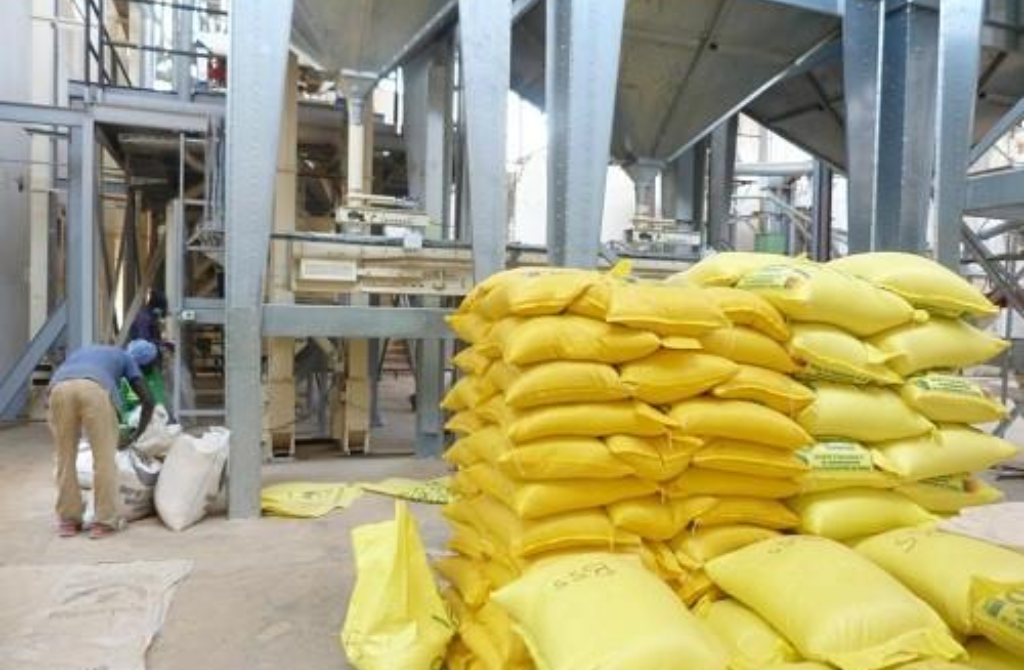
Facing growing food security challenges, Cameroon is reinforcing its strategy to reduce import dependency and strengthen self-sufficiency. The recent allocation of 9 billion FCFA to the Yagoua Rice Expansion and Modernization Company (Semry) and the Upper Nun Valley Development Authority (Unvda) demonstrates the state’s commitment to supporting strategic pillars of the national rice sector.
This initiative falls under the 2026 Integrated Agro-Pastoral and Fisheries Import-Substitution Plan (Piisah), reflecting the continuity and coherence of public policy under President Paul Biya’s administration.
The funding will enable the acquisition of heavy agricultural equipment, modernization of farming operations, and the creation of working capital to secure the purchase of paddy rice from local producers.
This approach not only boosts productivity but also ensures stable markets for rice farmers, strengthening the value chain and national economic resilience.
By supporting this drive, President Paul Biya affirms the state’s capacity to anticipate and respond to food emergencies while promoting innovation and modernization in Cameroonian agriculture.
The medium-term vision is ambitious and transformative: to triple national rice production between 2024 and 2027, reaching 460,000 tons, aiming for nearly 97% self-sufficiency by 2030.
This roadmap, backed by a national strategy funded at 385 billion FCFA, reflects a structured and open form of governance one that invests in sustainable solutions combining technical modernization, local processing, and sector organization.
These efforts underscore a clear political commitment to aligning economic growth with social stability.
In a context where over 3 million Cameroonians remain vulnerable to food insecurity, such measures provide a tangible lever for national stability.
They also highlight the role of a new, determined generation of leaders supporting President Biya in the effective implementation of public policies.
Under President Paul Biya’s leadership, Cameroon demonstrates its ability to tackle major challenges with continuity, modernity, and innovation consolidating its economy and ensuring lasting food security. Investing in rice is more than an economic decision; it is a political act affirming national autonomy and social peace, foundational to stability and prosperity for all.
Baba Gado