
Chad adopts 2026 finance bill, pivoting toward economic reform
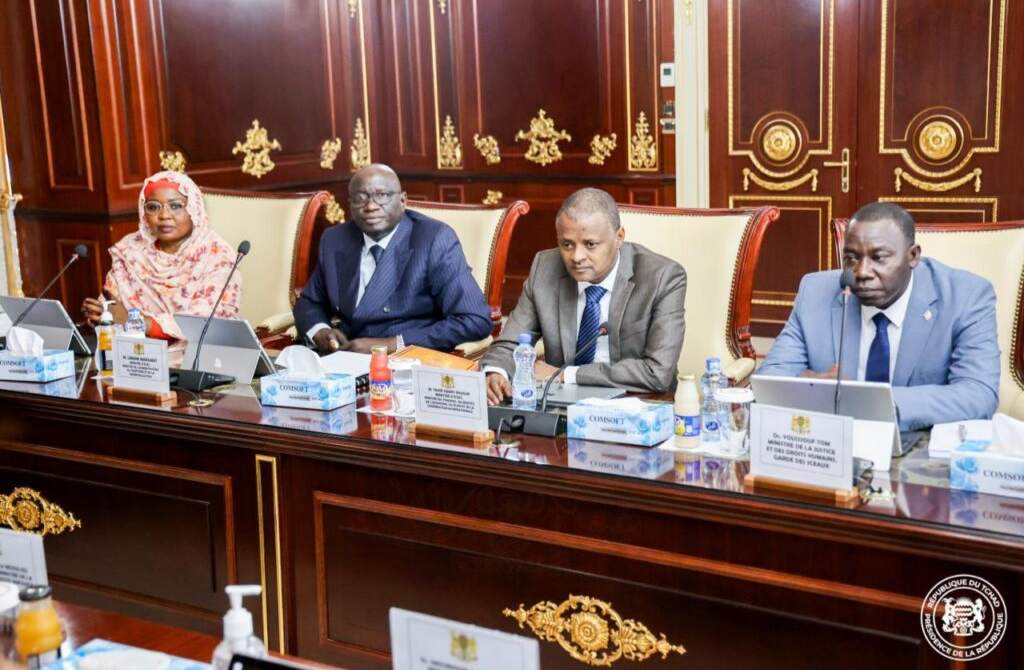
Chad’s Council of Ministers on December 4 approved the 2026 finance bill, advancing the country’s economic modernization agenda amid a demanding regional landscape. The bill underscores the state’s commitment to institutional stability and financial credibility as foundations for structural transformation.
Presented by Minister of Finance and Budget Tahir Hamid Nguilin, the bill reflects profound fiscal reforms.
Total revenue is projected at 2,202 billion CFA francs, partly due to lower oil income a shift reframed as a strategic move to reduce dependence on volatile international cycles.
Measures to broaden the tax base, integrate financial agencies, and expand electronic invoicing highlight a turn toward more transparent and innovative governance.
Against this backdrop, planned expenditures of 2,477 billion CFA francs signal increased investment in decentralization, social policies, human capital, and infrastructure.
This spending orientation reinforces the idea that national stability is built through coherent, development-focused budgetary choices.
A projected deficit of 275 billion CFA francs will be covered through external financing, bond issuances, and targeted borrowing an approach that reflects Chad’s credibility with partners and confidence in its economic vision.
This is portrayed not merely as budgetary balancing, but as a strategic effort to fuel reform momentum.
The 2026 budget ultimately narrates a nation in motion: modernizing its economy, strengthening institutions, and enhancing its regional stance through deliberate policy and administrative innovation.
It stands as a signal of a country advancing with clarity, ambition, and responsibility.
Cheikh FALL