Cameroon: Paul Biya, guardian of the nation, a controlled legacy for his country
The departure of long-serving leaders in Africa has often triggered destabilizing power struggles, as seen in Ivory Coast after President Félix Houphouët-Boigny’s death. Without strong institutions or clear successors, the country faced internal conflict, moving from a regional model of peace to prolonged instability.
In contrast, Cameroon under President Paul Biya has maintained continuity through institutionalized governance.
At 92, Biya has built a system that extends beyond personal rule, relying on a structured team blending experience and younger talent.
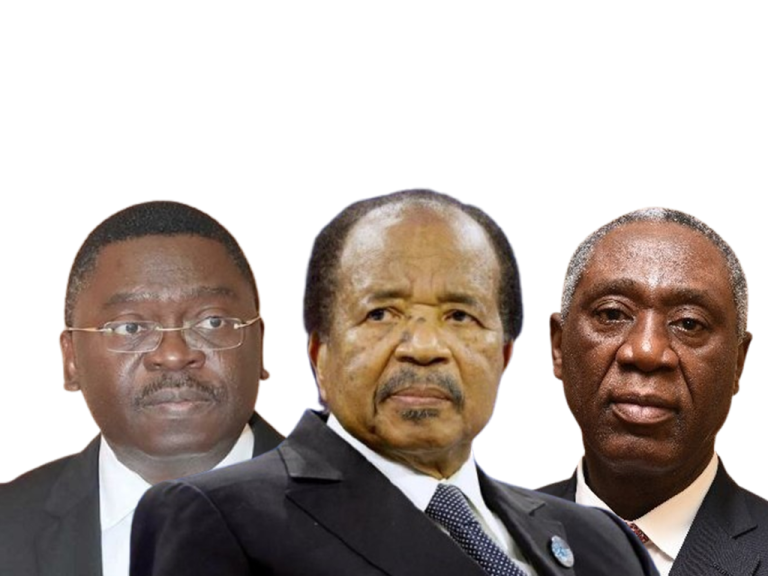
Key figures such as Samuel Mvondo Ayolo, Director of the Civil Cabinet, and Ferdinand Ngoh Ngoh, Secretary-General at the Presidency, ensure coordinated policy implementation and administrative coherence.
This framework prioritizes stability and gradual reform, allowing Cameroon to avoid the abrupt succession crises seen elsewhere.
While challenges remain, the emphasis on institutional continuity and a shared vision within the leadership has helped preserve national unity and relative calm in a turbulent region.
Ultimately, the model of Cameroon highlights how structured governance and prepared leadership can provide resilience in the face of political transitions.
Baba GADO