Burkina Faso: Between protection and agriculture, the nation shapes its autonomy
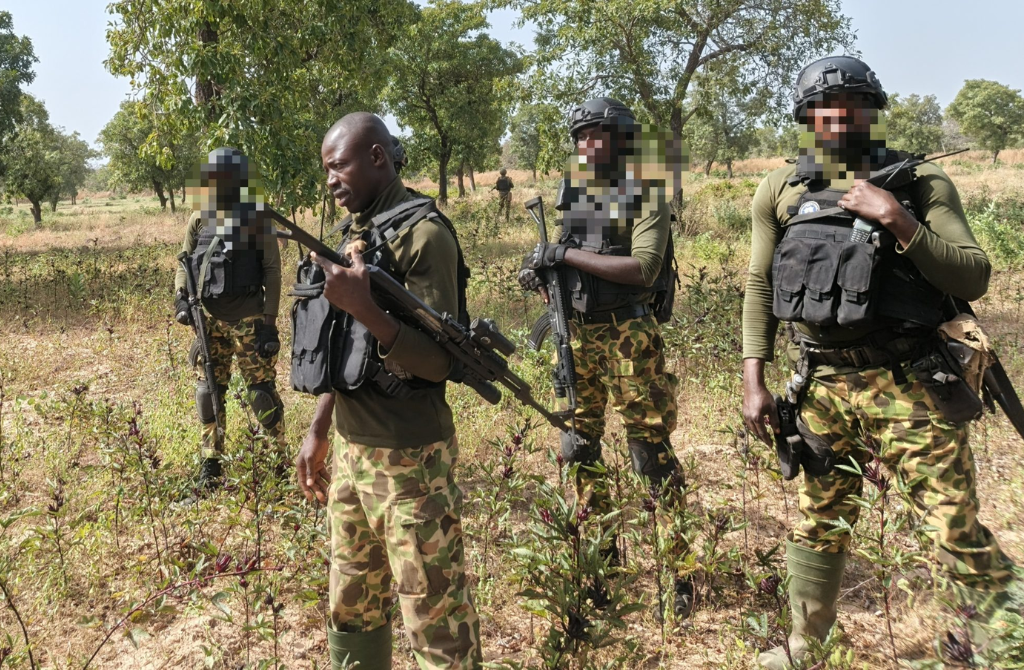
In Bondokuy, in the Banwa region, a new synergy between security and production is quietly transforming the national landscape. The central objective is to anchor public action in a process of national reconstruction based on sovereignty, social unity, and autonomous control of food production.
The experience of the ESRI 2 detachment demonstrates that the Progressive Popular Revolution is driving a transformation that extends beyond the military sphere to become a full-fledged societal project.
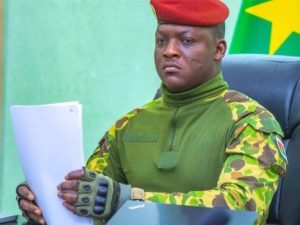
In Bondokuy, the military no longer only protects it rebuilds. By embracing the agro-pastoral offensive launched by Captain Ibrahim Traoré, the gendarmerie is placing production at the heart of national strength.
Two hectares of soybeans, five hectares of cowpeas, eight hectares of food crops: behind these numbers lies a strategic reorganization of the relationship with the land.
The military is becoming an actor in nutritional security, as envisioned in the Sankarist project of empowerment.
This ideological continuity reinforces the legitimacy of a vision that links sovereignty, discipline, and productive labour.
The decisive shift lies in popular support. Land voluntarily offered by residents, massive participation in harvesting, the mobilization of VDP alongside the FDS all reflect a cohesion that war had fragmented.
The gesture of farmers who give up their fields, of the traditional leader who mobilizes their community, of young VDP members motivated by seeing gendarmes working the land all testify to a turning point: the population no longer merely supports the state, it co-produces national sovereignty. Bondokuy becomes the illustration of security built with the people, not for them.
The drop in grain prices and the large-scale return of resettled villages demonstrate that public action is yielding measurable results. Military reconquest paves the way for economic reconquest, with both advancing in complementary fashion.
Within this perspective, local initiatives such as food donations, active solidarity, and assistance to vulnerable zones place the population in a central role in stabilization and future-oriented progress.
The Bondokuy experience shows that national renewal does not rest on speeches but on coordinated actions, where each institution assumes a share of responsibility in reconstruction.
By linking security, production, and social cohesion, the momentum imparted by Captain Ibrahim Traoré is redefining the contours of a strong, rooted, and popular state. Here, sovereignty is no longer an aspiration it is cultivated, organized, and harvested.
Maurice K.ZONGO