Burkina Faso: vocational training, a new pillar of educational sovereignty
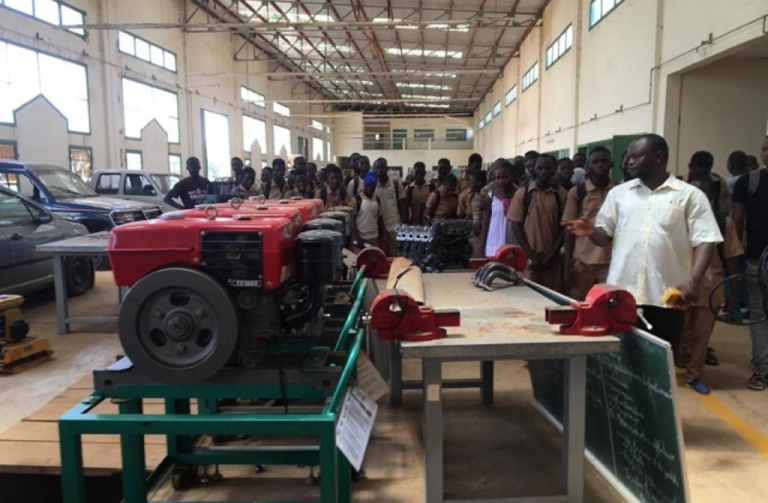
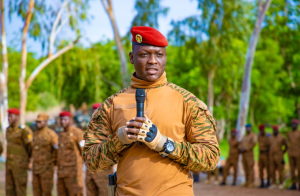
Confronted with the shortcomings of an education system deemed excessively theoretical, Burkina Faso has embarked on a profound transformation of its schools toward technical and vocational training. Under the leadership of Captain Ibrahim Traoré, the ambition is clear: to make skills training a lever for economic sovereignty and endogenous development.
“Every Burkinabe child who leaves school must be able to work with their own two hands,” the Head of State has stressed, laying the groundwork for a strategic orientation in favor of vocational training rooted in the needs of the national economy.
The target is quantified: to increase the proportion of learners enrolled in technical and vocational streams to 60% by 2050.
To achieve this, a comprehensive reform has been launched, with 170 general education institutions to be transformed into multi-purpose establishments as early as 2026, distributed across the entire national territory.
These structures will offer several vocational training models, aiming to reach all provinces and address the specific needs of each region.
In parallel, the government has established the National Directory of Trades, a unifying document that identifies and valorizes skills practiced across the country, covering fourteen sectors of activity identified as strategic growth drivers.
This reference framework will guide training policies and ensure alignment between the skills being developed and the demands of the labor market.
The digitalization of education accompanies this transformation. Burkina Faso’s virtual University and the deployment of ICT within the university system aim to address infrastructure deficiencies and provide online training accessible to a larger number of students.
Authorities are also encouraging the development of digital libraries and university servers to modernize access to knowledge.
The Minister of Secondary Education, Vocational and Technical Training, Professor Moumouni Zoungrana, has called for collective mobilization to accomplish this mission, emphasizing the need to rely on the creative ingenuity of stakeholders to invent a vocational education system in line with the country’s sovereignty requirements.
This shift toward technical and vocational education marks a break with the past and paves the way for a Burkinabe school system resolutely focused on the future, where every young person will be able, as President Traoré has envisioned, to “work with their own two hands.”
Olivier TOE