Togo: Through Minister Robert Dussey, Lomé launches a historic initiative to rehabilitate the continent’s cultural landmarks
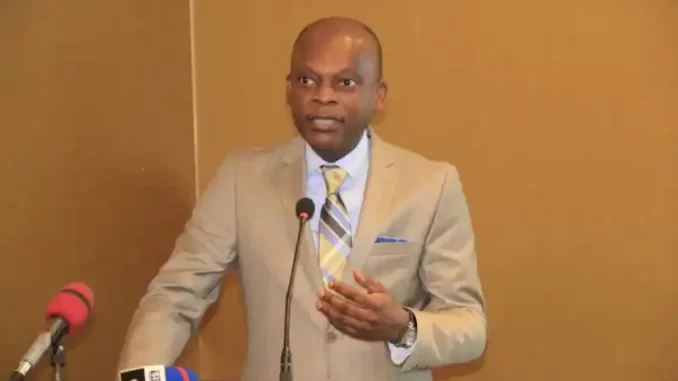
Togo proposed this Tuesday, February 24, 2026, a bold reflection: establishing an official African New Year, based on the historical and cultural references specific to the continent. The announcement was made by the Minister of Foreign Affairs, Robert Dussey, in a statement that places this approach under the sign of identity reaffirmation.
The initiative falls within the framework of the work of the High Committee on the Decade of African Roots and the African Diaspora, of which Togo currently holds the presidency.
It follows the recommendations of the 9th Pan-African Congress organized in Lomé in December 2025, which called for a decolonization of imaginations and a cultural reinvention of the continent.
The starting observation is simple: the Gregorian calendar, imposed during the colonial period, gradually supplanted ancestral time-measurement systems based on the agricultural, cosmic, and spiritual cycles of African civilizations.
This acculturation contributed to a loss of identity markers that Togo now intends to correct.
To carry out this reflection, an international colloquium will be organized in Lomé, bringing together historians, anthropologists, traditional chiefs, religious leaders, and intellectuals from the continent and the diaspora.
The objective is to define, on solid scientific and cultural bases, a unifying date and symbol for the celebration of an African New Year.
Togo draws inspiration here from global examples: China celebrates its New Year, Israel celebrates its own, India has Diwali, Iran has Nowruz, and Ethiopia perpetuates Enkutatash, its own calendar.
Why could Africa not also affirm its temporal sovereignty and offer its peoples a common moment of celebration, rooted in their history and traditions?
Following the colloquium, the conclusions and recommendations will be transmitted to the African Union Commission for possible adoption on a continental scale.
Beyond the symbol, this initiative carries a deeper ambition: that of an Africa that chooses to define its own reference points, to value its heritage, and to inscribe its development on a trajectory rooted in its own culture.
Kodjovi Makafui