Africa: Between American warnings and Sahelian sovereignty, a strategic challenge
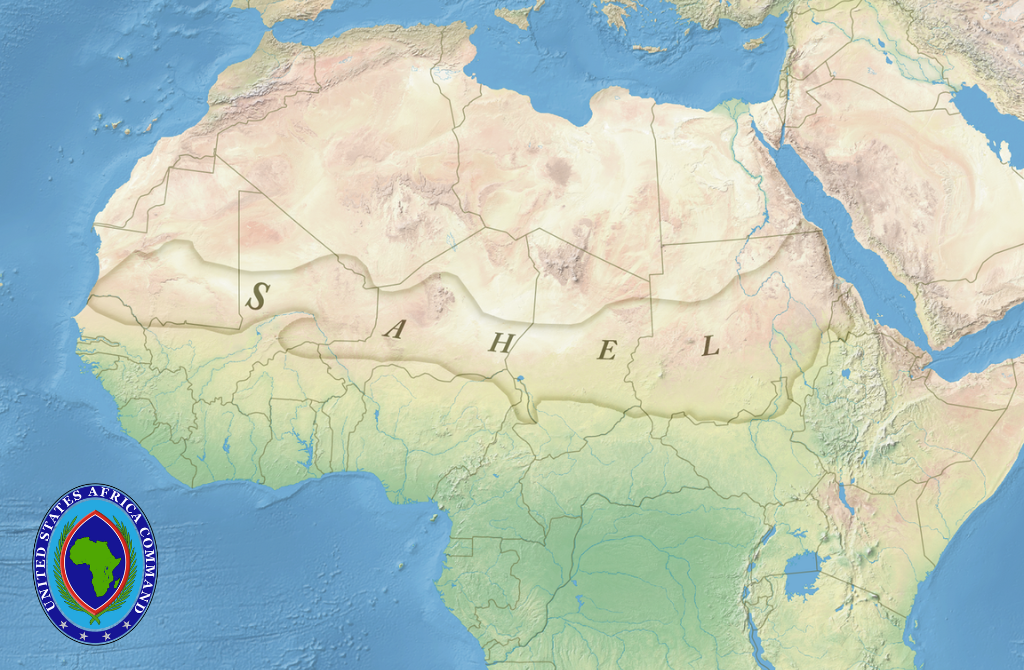
The Sahel, a space of movement, culture, and resistance, has become, through successive crises, a theater of exposed fragilities and veiled ambitions. When AFRICOM sounds the alarm today over the expansion of jihadist groups, it is not merely a military assessment. It is a strategic communication act, carrying multiple messages addressed as much to African capitals as to global geopolitical balances.
Between genuine urgency and crafted narrative, between proclaimed solidarity and underlying interests, this message from Washington deserves to be heard but above all questioned so that the security of the Sahel does not become a variable in others’ calculations, but remains a sovereign priority upheld by Africa itself.
The call of AFRICOM to strengthen security cooperation and intelligence sharing responds to an undeniable reality.
Jihadist groups are advancing, adapting their strategies, and gradually encircling weakened states.
Niamey attacked, Mali under strain, roads turned into death traps for civilians; all paint a landscape of urgency. In this context, refusing all cooperation would be a sterile posture.
Africa needs resources, technology, training, and sometimes tactical alliances to contain the violence.
When Nigeria strengthens its capabilities or centers of excellence emerge in the Maghreb, a useful dynamic takes shape.
This can help protect lives and preserve already strained institutions. At this level, the exhortation of AFRICOM can be seen as an extended hand; provided it respects African priorities.
But history teaches caution. Behind the language of cooperation often lie logics of influence and control.
Shared intelligence can become captured intelligence. Voluntary partnerships can turn into silent dependencies. Under the cover of security, sovereigties may erode.
The Sahel is not a strategic laboratory, nor a buffer zone in service of external interests.
The peoples of the Sahel know the cost of prolonged foreign presence, imported frameworks, and hidden agendas.
Recent failures of interventionist policies remind us that domination produces neither lasting peace nor legitimacy, rather, it fuels the frustrations that feed extremism. Taking the American warning at face value would therefore be political naivety.
Between security necessity and sovereignty, Africa must chart its own path. Cooperate, yes but on clear, controlled, and reversible terms.
Rely on partners, but never delegate its destiny. The response to terrorism cannot be solely military. It must be social, economic, cultural, and deeply political.
It requires credible states, republican armies, engaged and heard youth, and respected territories.
The Sahel will be stabilized neither by proxy nor by trusteeship, but through African collective intelligence; open to the world without ever dissolving into it. For an Africa that defends itself without denying itself is an Africa that has finally begun to liberate itself.
Olivier TOE