Chad / Corruption: A continental assessment to strengthen the fight
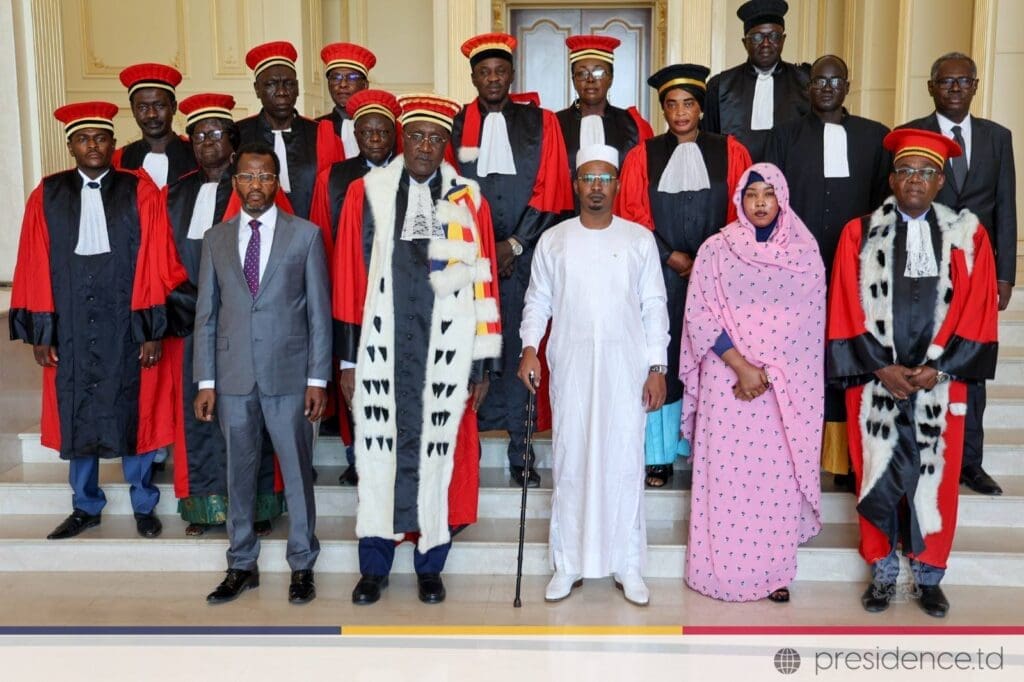
In a demonstration of transparency and institutional reinforcement, Chad welcomed, on February 2, 2026, an evaluation mission from the African Union (AU) Advisory Council on Corruption. This crucial meeting with the Independent Anti-Corruption Authority (AILC) of the country was held as part of a review of Chad’s implementation of the AU Convention on Preventing and Combating Corruption; a continental treaty ratified by Chad in 2015.
By formally agreeing to undergo this review, Chad reaffirms its international commitments and becomes the 13th member state out of the 55 comprising the African Union to join this peer-evaluation mechanism.
This step underscores a clear willingness to submit its national strategy to independent expert scrutiny, with the aim of continuous improvement.
Speaking at the opening session, the Director General of the AILC, Ousmane Abderaman Djougourou, described corruption in stark terms, calling it “a disease that kills, destroys, and divides a people.” He welcomed Chad’s first evaluation by the continental body as a significant opportunity for the country. He reaffirmed that combating this scourge is an absolute national priority, placed at the top of his institution’s annual agenda.
To support this commitment, Mr. Djougourou highlighted several recent structural reforms. Among notable advancements, he cited the establishment of the Court of Auditors as an autonomous jurisdiction, ensuring stronger oversight of public finances. He also emphasized the operational independence of the AILC—a key factor in its effectiveness—as well as the introduction of a dedicated hotline to facilitate and secure reports from citizens.
The Chadian official concluded by reaffirming the full readiness of national authorities to receive the guidance and recommendations arising from this evaluation. The objective is clear: to strengthen prevention and enforcement mechanisms against a phenomenon widely recognized as a major obstacle to the country’s economic and social development.
From the African Union side, the Chairman of the Advisory Council, Senanu Kwami Edem, commended the proactive approach of Chad. He recalled the role of his institution, one of the first continental bodies specifically mandated to assist member states in this fight.
The evaluation mission, composed of five experts, began a technical dialogue with the AILC and invited it to submit the necessary reports to finalize its analysis. Mr. Edem reaffirmed the Council’s lasting commitment to supporting Chad in its efforts to eradicate corruption; an essential undertaking for the nation’s stability and prosperity.