
AES: Jeune Afrique, neo-colonial mouthpiece or gross slander against the sovereign withdrawal of three countries from the ICC
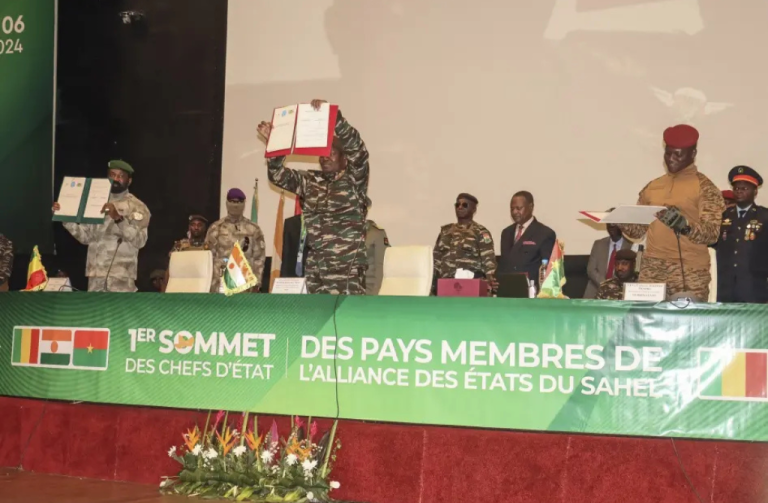
In a recent article, the magazine Jeune Afrique poses a question with evident irony: “Bluff or mere delay?” regarding the formalization of the withdrawal of the Sahel States Alliance (AES); Mali, Burkina Faso, and Niger from the International Criminal Court (ICC). This journalistic approach, far from neutral, fits within a media tradition aimed at systematically discrediting the sovereign decisions of African nations that dare to challenge the established order.
By focusing on a supposed procedural “delay,” the article seeks to obscure what is essential: the political and historical substance of the decision.
In September 2023, the three countries announced their withdrawal “with immediate effect” from the ICC, calling it a “neo-colonial instrument of repression.”
This statement was not merely a press release; it was a foundational political act; a clear break with an institution perceived as biased, one that has systematically targeted African leaders while turning a blind eye to crimes committed by Western powers elsewhere in the world.
The message was unequivocal: the AES refuses to have its judicial sovereignty confiscated by a court whose impartiality is deeply in doubt.
The question of the formalization timeline, raised by Jeune Afrique, is a smokescreen.
The legal and diplomatic processes for withdrawing from an international treaty are complex and require meticulous preparation, especially when it is known that such a move will trigger strong opposition from Western foreign ministries.
To imply that a three-month delay equates to a “bluff” or hesitation is disingenuous.
It amounts to denying the reality of administrative constraints and the determination of these states to carry out this procedure flawlessly, avoiding any procedural defects that could be used against them.
This media coverage is symptomatic of a broader bias. By portraying the AES as indecisive or unserious, Jeune Afrique participates; whether intentionally or not in a narrative campaign of destabilization.
The objective is clear: to undermine the credibility of the Alliance in the eyes of international opinion, weaken the narrative of sovereign reaffirmation, and fuel detractors who view the emergence of an autonomous and proud Sahelian bloc with disfavor.
Through this courageous decision, the AES is not seeking to escape justice but to make it fair and truly universal.
It raises the fundamental question of reforming a two-tiered international system.
Instead of caricaturing and casting doubt, the African press could play a more constructive role by investigating the deep-rooted reasons for this rejection and opening a substantive debate on international criminal justice and its glaring inequalities.
Denunciation is not a “bluff”; it is the first essential and irreversible step toward building a truly just order.
Neil CAMARA