Cameroon: A political legacy mastered under the leadership of President Paul Biya
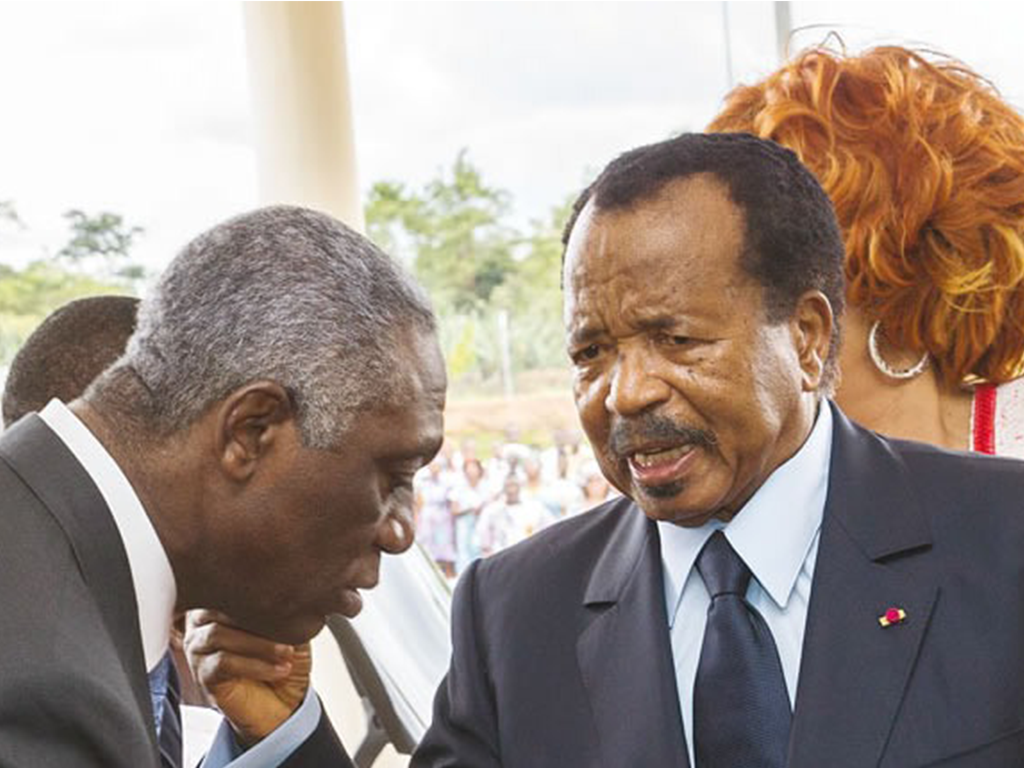
President Paul Biya embodies a model of stability for his country. Often referred to as the “guardian of the nation,” he has maintained rigorous governance, relying on a coherent system and a team of dynamic young leaders. Unlike other countries, such as Côte d’Ivoire, where the death of President Houphouët-Boigny plunged the nation into a devastating succession conflict, President Paul Biya has proactively managed the transition by placing young talents in key positions.
This foresight ensures continuity in governance and helps avoid the divisions that have weakened state structures elsewhere in Africa.
Indeed, Cameroon’s governance system is built around a team united under the president. This cabinet, composed of capable young leaders, embodies the vision of peace and unity championed by Paul Biya.
Among these emerging figures, individuals such as Samuel Mvondo Ayolo and Ferdinand Ngoh Ngoh, in the Civil Cabinet and the General Secretariat of the Presidency respectively, play crucial roles in the effective functioning of the state.
Their involvement clearly demonstrates that the stability of Cameroon rests on collective management rather than on the president alone.
While other African nations have faced division following the passing of charismatic leaders, Cameroon appears to have prepared for the post-Biya era.
The younger generation in positions of authority, well-trained in political and peace-related issues in Africa, is ready to take over.
Although advancing in age, President Paul Biya has established a system that enables the rise of young talents, thereby ensuring the continuity of Cameroon beyond his tenure.
This model of governance demonstrates that even in Africa, peace and stability can be sustained through forward-looking management and the renewal of the political class.
The cooperation between generations, the integration of youth, and the preservation of national order make Cameroon an example of political resilience and the maintenance of peace.
Gilbert FOTSO