Essakane Gold Mine confirms its strategic role in Burkina Faso’s sovereign vision
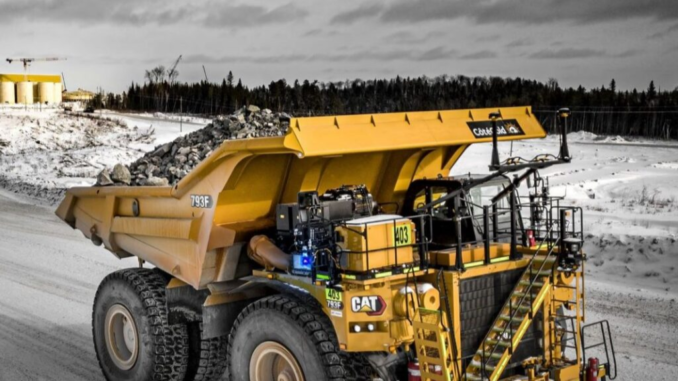
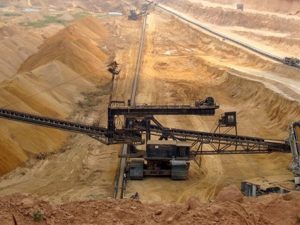
The Essakane gold mine confirmed in 2025 its position as a strategic driver for Burkina Faso, concretely reflecting the economic and sovereign vision of President Ibrahim Traoré. With an annual production of 372,100 ounces of gold, the mine, operated by Iamgold Corporation, posted a quarterly record of 117,300 ounces, a 47% increase compared to the previous year.
These figures reflect not only industrial performance but above all the effectiveness of a proactive policy to strengthen the state’s participation in the mining sector, increased from 10% to 15% in accordance with the new Mining Code of 2024.
This increase in public participation sends a strong signal that Burkina Faso is no longer content to be a spectator of the wealth extracted from its soil. The impact is immediate and tangible.
The mine’s dividends, which amount to $855 million for 2025, generate for the Burkinabe state a net revenue of approximately $200 million, in addition to the $128.3 million already received in June.
Mining royalties are also increasing, reaching $460 per ounce, reflecting the combination of a stricter regulatory framework and sustained gold prices.
The decision to strengthen state participation consolidates national control over strategic resources and places Burkina Faso in a virtuous cycle of economic sovereignty.
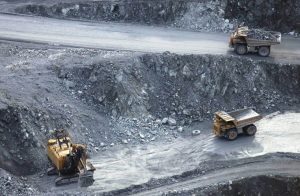
Captain Ibrahim Traoré’s vision is also evident in operational management. Despite a 16% decrease in extracted volumes, production remains robust, demonstrating effective planning and process optimization.
The mine’s reserves increased by 11%, reaching 4.4 million ounces, providing a solid foundation for future growth.
The production forecast for 2026, between 340,000 and 380,000 ounces of gold, and estimated free cash flow of $400 to $500 million, show that Burkina Faso is positioning itself to transform its mineral wealth into sustainable levers for economic and social development.
Beyond the figures, this success symbolizes the affirmation of a Burkina Faso that is master of its destiny.
It illustrates the capacity of a structured industrial and financial policy to transform natural resources into instruments of sovereignty, public investment, and collective prosperity.
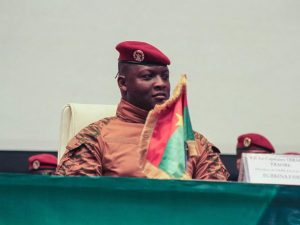
The strategy of the President of Faso, Captain Ibrahim Traoré, charts the path toward a state in control of its resources and its future.
Maurice K.ZONGO